Imagine coming home every day knowing you're protected by one of the most loyal, courageous companions. You're seeking a guard dog, one that can offer security while being a loving member of your family.
It's a decision that goes beyond simply picking a cute puppy; you need a breed that matches your needs for safety, loyalty, and companionship. You'll discover which breeds excel as guard dogs and why they might be the perfect addition to your household.
Whether it's their imposing presence or unwavering loyalty, these breeds bring unique qualities that you won't want to overlook. Keep reading to find out which furry protector is right for you and your loved ones.
Characteristics Of A Good Guard Dog
Choosing the right guard dog involves understanding key characteristics. These traits ensure the dog can protect and safeguard effectively. A good guard dog is more than just a strong breed. It combines several essential qualities.
Temperament And Behavior
Guard dogs possess a natural protective instinct. They are loyal to their family. This loyalty makes them excellent protectors. They are usually alert and watchful. A good guard dog is calm yet assertive. This balance is vital for effective guarding. They must not be overly aggressive.
Socialization is crucial for their behavior. Early socialization helps them differentiate threats. It reduces unnecessary aggression towards strangers. A well-socialized dog is less likely to misjudge situations.
Physical Attributes
Guard dogs often have imposing physical traits. They are usually large and strong. Their size acts as a deterrent to intruders. Muscular builds give them strength to handle threats. A good guard dog has a strong bark. This can scare away potential threats.
They also have endurance and agility. These traits are essential for pursuing intruders. A strong sense of smell and hearing helps them detect danger early.
Training And Intelligence
Intelligence is crucial for a guard dog. Smart dogs learn commands quickly. They follow instructions in various situations. Training sharpens their natural instincts. It helps them act appropriately when needed. Consistent training reinforces good behavior.
Positive reinforcement works best for training. It encourages them to protect without fear. Intelligent dogs can adapt to different environments. They remain effective guards in new situations.
Popular Guard Dog Breeds
Choosing the right guard dog can be challenging. Some breeds are naturally protective and loyal. These dogs often excel in guarding homes and families. Let's explore some popular guard dog breeds known for their vigilance and bravery.
German Shepherd
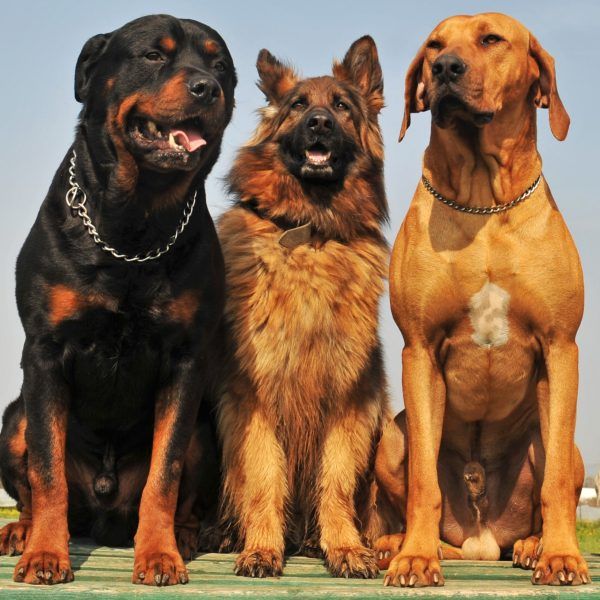
German Shepherds are intelligent and versatile. They are often used in police and military roles. Their loyalty to their families is unmatched. With proper training, they become excellent guard dogs. Their alertness makes them quick to respond to threats.
Rottweiler
Rottweilers have a strong, muscular build. They are known for their protective instincts. These dogs are confident and fearless. They form strong bonds with their families. Early socialization helps them distinguish between friends and threats.
Doberman Pinscher
Doberman Pinschers are sleek and powerful. They are known for their speed and agility. These dogs are highly intelligent and trainable. They are loyal and protective of their owners. A Doberman can be a reliable guard with the right training.
Bullmastiff
Bullmastiffs are large and powerful dogs. They have a calm and gentle nature with family. Their protective instinct is strong. They can deter intruders with their size and presence. Despite their size, they are surprisingly agile and quick.
Lesser-known Guard Dog Breeds
Guard dogs are valued for their protective nature and loyalty. While many know popular breeds like the German Shepherd or Rottweiler, some lesser-known breeds offer excellent guarding abilities. These breeds combine strength, intelligence, and devotion, making them effective protectors. Let's explore some of these unique guard dog breeds.
Tibetan Mastiff
The Tibetan Mastiff is a powerful and ancient breed. Originating from the Himalayas, they have thick coats to withstand harsh climates. Known for their independence, they can be stubborn yet fiercely protective. Their size and strength deter intruders, making them excellent guard dogs.
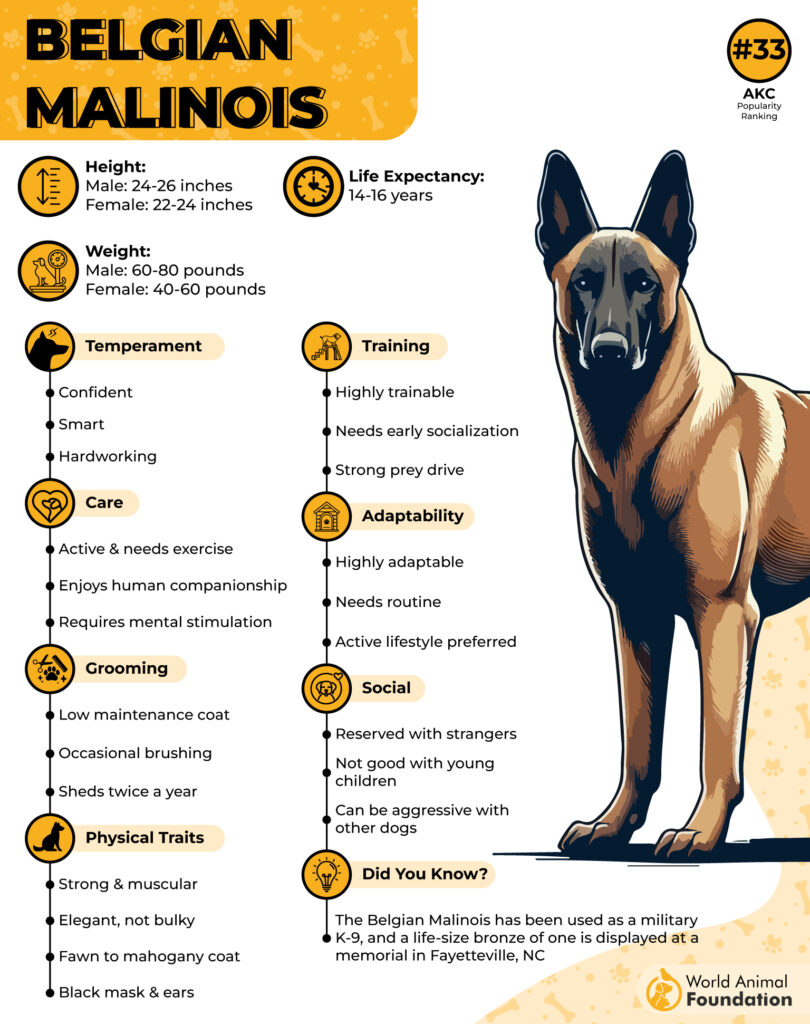
Belgian Malinois
The Belgian Malinois is agile and intelligent. They are often used in police and military work. Known for their work ethic and loyalty, they excel in protection. Their alert nature and quick reflexes make them reliable guards.
Cane Corso
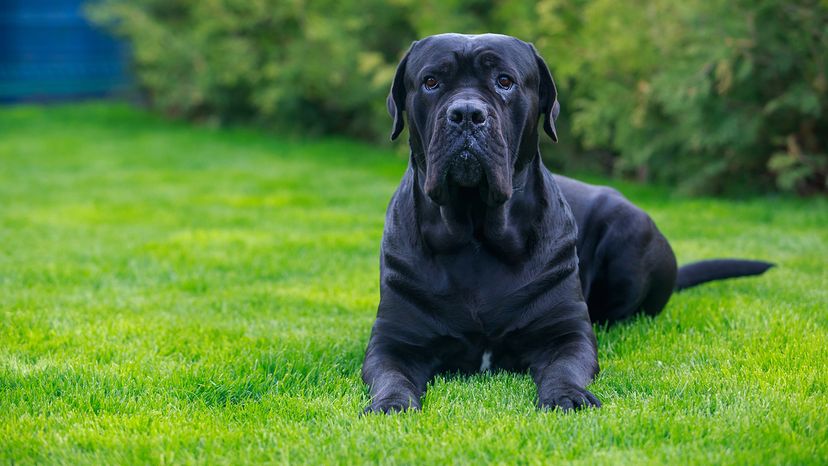
The Cane Corso is a strong and muscular breed. Originating from Italy, they have a history of guarding property and livestock. They are confident and assertive, with a natural instinct to protect. Their imposing presence is a strong deterrent to threats.
Akita
The Akita is a dignified and courageous breed. Originating from Japan, they are known for their loyalty to family. They are naturally wary of strangers, making them effective guards. Their calm demeanor belies their readiness to protect.
Credit: animals.howstuffworks.com
Guard Dogs In Family Settings
When you think of guard dogs, images of formidable canines ready to protect their territory might come to mind. But what about in family settings, where you want both protection and companionship? A guard dog can be an ideal addition to your family, providing safety and loyalty. However, selecting the right breed is crucial to ensure they fit seamlessly into your home life.
Balancing Protection And Family Life
Striking the balance between a protective nature and gentleness with family members is key. Dogs like the German Shepherd or Doberman Pinscher are renowned for their guarding instincts yet are known to be affectionate and loyal to their families. A well-balanced guard dog will not only protect but also fit naturally into daily activities and family bonding.
Consider the dog's energy level and temperament. Does your family enjoy outdoor activities or prefer quiet evenings at home? Choose a breed whose lifestyle matches yours. The right dog will thrive in your environment, feeling both protective and part of the family.
Child-friendly Guard Dogs
Guard dogs can be great with kids, offering both protection and companionship. Breeds like the Boxer and Labrador Retriever are known for their gentle nature with children. These dogs are alert and watchful, yet playful and patient with the young ones.
It's important to supervise interactions initially to ensure both the dog and children understand boundaries. Over time, a child-friendly guard dog can become a beloved playmate and a reliable protector.
Training For Family Environments
Training is essential to ensure a guard dog adapts well to family life. Start with basic obedience training to establish respect and understanding. Consistent and positive reinforcement techniques work wonders in shaping behavior.
Socialize your dog early with family members and visitors. Exposure to different environments and situations helps them learn how to react appropriately. This reduces anxiety and enhances their protective instincts in a balanced manner.
Would you consider a guard dog for your family? Remember, the right breed and training can create a harmonious blend of protection and affection, making them a cherished member of your home.
Considerations Before Choosing A Guard Dog
Choosing a guard dog requires understanding suitable breeds. German Shepherds, Rottweilers, and Doberman Pinschers are known for their protective instincts. Consider their temperament, training needs, and family compatibility before deciding.
Before deciding on a guard dog, consider several important factors. Guard dogs need specific care and attention. Their role goes beyond being just a pet. Each breed has unique needs and characteristics. Understanding these helps ensure a good match for your home.
Space And Lifestyle Requirements
Guard dogs often need lots of space. They thrive in environments where they can move freely. A small apartment might not suit large, active breeds. Consider your home's size before choosing. Some breeds adapt well to apartment living. Others need a yard or outdoor space. Check your lifestyle too. Busy schedules might not allow for long walks or playtime. Ensure your lifestyle supports a guard dog's needs.
Time Commitment For Training
Training is crucial for a guard dog's behavior. It requires time and patience. Consistent training ensures they respond well to commands. Some breeds learn quickly. Others need more time and repetition. Professional trainers can assist with this process. Training also strengthens the bond between you and your dog. Make sure you have enough time to dedicate to training. It's essential for a well-behaved guard dog.
Legal And Insurance Implications
Some guard dog breeds face legal restrictions. Check local laws before deciding. Certain breeds require special permits or insurance. Home insurance policies might change with a guard dog. Inform your insurer about your dog. They may adjust your coverage or premiums. Understanding legal and insurance implications is vital. It prevents unexpected issues and ensures compliance. Be prepared and informed about these aspects.

Credit: headsupfortails.com
Training Techniques For Guard Dogs
Certain breeds excel at guarding, such as German Shepherds and Rottweilers, known for their loyalty and strength. Dobermans and Bullmastiffs also make excellent guard dogs due to their intelligence and protective instincts. Proper training enhances these natural abilities, ensuring effective security and companionship.
Guard dogs are valued not just for their protective instincts, but also for the rigorous training that molds them into reliable defenders of your home. Training a guard dog requires a blend of discipline, patience, and strategic techniques tailored to enhance their natural abilities. From basic obedience to advanced protection skills, the journey of transforming a playful pup into a vigilant guardian is as rewarding as it is challenging.
Basic Obedience Training
Establishing a foundation in basic obedience is crucial for any guard dog. Commands like sit, stay, and come are not just for control; they build trust between you and your dog. Consistency is key. Use clear, simple commands and reward successful attempts with treats or praise. A personal tip: I found using hand signals alongside verbal commands made communication smoother and more effective.
Advanced Protection Training
Once your dog masters basic obedience, it’s time to introduce advanced protection techniques. This stage involves teaching your dog to recognize and respond to threats without unnecessary aggression. Structured drills that simulate real-life scenarios can be very effective. For instance, training your dog to alert you upon sensing intruders sharpens their instinctual vigilance. Remember, every dog has its unique learning curve. Patience and regular practice will cultivate a dependable protector.
Socialization Strategies
Socialization is essential to ensure your guard dog can differentiate between friends and threats. Expose them to various environments, people, and situations to help them develop discernment. Encourage interaction with friendly strangers and other animals. This builds confidence and reduces anxiety in unfamiliar settings. Challenge yourself with this question: How can you balance your dog's protective instincts with friendliness? Finding this balance is a rewarding pursuit that enhances your dog's role as both a guardian and a family member.
Maintaining Health And Wellness
Certain dog breeds excel as guard dogs due to their loyalty and protective nature. German Shepherds, Rottweilers, and Doberman Pinschers are popular choices. These dogs possess strong instincts and can be trained to guard homes effectively.
Maintaining the health and wellness of guard dogs is crucial for their effectiveness. A well-maintained dog is not only a better protector but also a happier companion. Ensuring your guard dog stays healthy involves several key aspects. From diet to exercise, each plays a vital role in their overall well-being.
Diet And Nutrition
A balanced diet is essential for guard dogs. High-quality dog food should be the foundation of their nutrition. Look for options rich in protein to support muscle development. Omega-3 fatty acids are important for a healthy coat and skin. Vitamins and minerals are crucial for strong bones and teeth. Avoid fillers and artificial additives that can harm your dog. Fresh water must always be available to keep them hydrated.
Exercise And Activity Needs
Guard dogs need regular exercise to stay fit and alert. Daily walks are a great way to burn off energy. Playtime is important for mental stimulation. Activities such as fetch or agility courses keep them engaged. Social interactions with other dogs can improve their mood. Monitor their activity level to prevent overexertion. Always adjust exercise routines based on your dog's age and breed.
Regular Veterinary Care
Routine vet check-ups are essential for maintaining your dog's health. Vaccinations protect against common diseases. Regular screenings catch health issues early. Dental care prevents gum disease and tooth loss. Parasite control, like flea and tick prevention, keeps them comfortable. Discuss any changes in behavior or diet with your vet. A good relationship with a vet ensures your guard dog receives the best care possible.
Credit: worldanimalfoundation.org
Frequently Asked Questions
What Is The Most Protective Breed Of Dog?
The German Shepherd is often considered the most protective breed. Known for loyalty and intelligence, they excel in guarding roles. Their protective instincts make them popular choices for families and law enforcement. Training enhances their natural guarding abilities, ensuring they effectively protect their loved ones.
Which Dog Is Best For A Home Guard?
German Shepherds, Rottweilers, and Doberman Pinschers are excellent home guard dogs. They are loyal, intelligent, and protective. Proper training enhances their guarding abilities. These breeds are known for their strong instincts to protect family and property. Consider your household's needs and environment when choosing the best guard dog.
What Is The Easiest Guard Dog To Train?
The German Shepherd is the easiest guard dog to train. They are intelligent, obedient, and eager to learn. Their protective instincts make them excellent guard dogs. Early socialization and consistent training enhance their natural abilities. These qualities make them popular choices for families and professionals seeking reliable protection.
What Is The Most Feared Guard Dog?
The most feared guard dog is the Belgian Malinois. Known for its intelligence and agility, it excels in protection tasks. This breed is highly trained by military and police forces worldwide. Belgian Malinois are loyal, alert, and fearless, making them exceptional guard dogs.
Conclusion
Choosing a guard dog breed requires thoughtful consideration. Each breed offers unique strengths. German Shepherds excel in intelligence and loyalty. Rottweilers provide strength and courage. Dobermans combine speed and alertness. Bullmastiffs are protective yet gentle with family. Consider your lifestyle and needs.
Training and socialization are key to success. A well-trained guard dog can offer peace of mind. They become both protectors and family members. Choose wisely, ensuring a lifelong bond. Research and patience will guide you. Remember, a guard dog is a big responsibility.
Make the right choice for your home and family.