Ever wondered which dog breeds are most likely to bite? You're not alone.
Choosing the right dog breed is a big decision, and safety is a top concern for many. Understanding which breeds are more prone to biting can help you make a more informed choice. Imagine feeling confident that your furry friend will be a safe companion for you and your loved ones.
This article dives into the statistics and facts, so you can feel assured about your next pet. Don't miss out on crucial insights that could help you avoid a potentially dangerous situation. Ready to learn more? Let's dive in and explore the breeds that might surprise you.
Common Misconceptions
Many people have misunderstandings about dog breeds and their biting habits. These misconceptions often arise from stereotypes and sensationalized stories. It's important to separate fact from fiction. Understanding these myths can help improve our relationship with dogs.
Misconception: Only Certain Breeds Are Dangerous
People often label specific breeds as dangerous. This belief is not accurate. Any dog can bite if it feels threatened or scared. Breed alone does not determine a dog's behavior.
Misconception: Big Dogs Are More Likely To Bite
Size does not equate to aggression. Small dogs can also bite and be aggressive. It's the behavior and environment that influence a dog's actions more than its size.
Misconception: Dogs Bite Out Of Malice
Dogs rarely bite out of spite or malice. They often bite as a reaction to fear or stress. Understanding this can help prevent bites by addressing the root cause.
Misconception: Training Can Eliminate All Biting Risks
Training reduces biting risks but does not eliminate them completely. Even well-trained dogs might bite under stress or fear. Responsible ownership and understanding dog behavior are crucial.

Credit: www.publicsource.org
Factors Influencing Biting Behavior
Understanding why dogs bite is essential for any dog owner. Biting behavior in dogs is influenced by various factors. These factors range from genetics to the owner's responsibility. Knowing these factors can help prevent biting incidents. Let’s explore the main reasons behind biting behavior.
Genetics And Breed Traits
Genetics play a significant role in dog behavior. Some breeds have a natural tendency to bite. This is due to their historical roles. For instance, guard dogs were bred to protect. Their protective nature sometimes leads to biting. Understanding a breed's traits can help manage behavior.
Training And Socialization
Training shapes how a dog behaves. A well-trained dog is less likely to bite. Socialization is equally important. Dogs exposed to different environments tend to be calmer. They get used to various situations. This reduces the chance of biting in new settings.
Environment And Living Conditions
The environment affects a dog's behavior. Dogs in stressful environments might bite more. Crowded spaces can make them anxious. Limited space can lead to frustration. Ensuring a comfortable living space is crucial. A calm environment helps reduce biting incidents.
Owner Influence And Responsibility
Owners have a huge impact on their dog's behavior. Responsible owners train their dogs properly. They ensure their dogs are socialized. They also provide a safe environment. Owners need to understand their dog's needs. This helps prevent unwanted behavior like biting.
High-risk Breeds
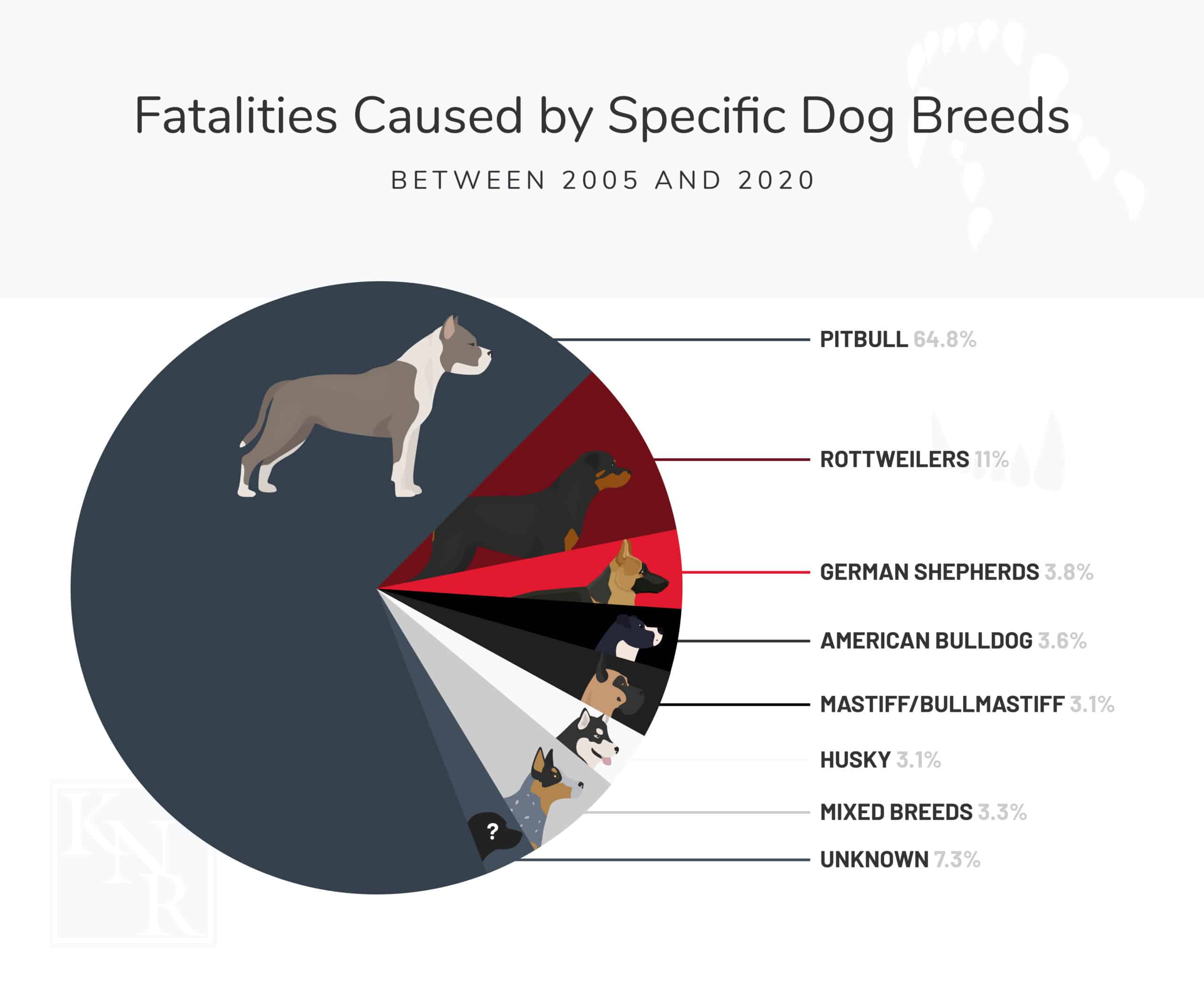
Understanding which dog breeds are more prone to biting can be crucial for both potential pet owners and those who frequently interact with dogs. While no breed is inherently vicious, certain breeds are statistically more involved in bite incidents due to their size, strength, and temperament. Knowing these high-risk breeds can help in making informed decisions and taking preventive measures.
Pit Bulls
Pit Bulls often top the list when discussing high-risk breeds. They are strong and have a muscular build, which can lead to severe injuries if they bite. Despite their reputation, many Pit Bull owners will tell you they are loyal and loving pets. It’s essential to consider the owner's responsibility and training in preventing aggressive behavior.
Rottweilers
Rottweilers are another breed known for their protective nature. Their loyalty can sometimes translate into aggression towards strangers. While they're excellent guard dogs, their strength means bites can be quite dangerous. Proper socialization and training from a young age can mitigate these risks significantly.
German Shepherds
German Shepherds are often used in police and military roles, showcasing their intelligence and ability to train. However, their protective instincts may lead to biting if they feel their family is threatened. Ensuring they have ample exercise and mental stimulation can help manage any aggressive tendencies. Could your dog be acting out simply because it's bored?
Chihuahuas
Surprisingly, Chihuahuas are also on the list despite their small size. They can be snappy, especially if they feel threatened or are not handled properly. Many people underestimate their bite due to their size, but they can still cause injury. Proper handling and socialization are key to a well-behaved Chihuahua.
Considering a dog’s breed is just one part of choosing the right pet for you. Have you thought about how your lifestyle and commitment to training might impact your dog’s behavior?
Credit: www.knrlegal.com
Analyzing Bite Statistics
Understanding which dog breeds bite the most involves analyzing bite statistics. This analysis helps owners and communities make informed decisions. It provides insight into breed tendencies and safety measures. Let's explore how these statistics are gathered and interpreted.
Data Sources And Reliability
Data on dog bites comes from various sources. Hospitals, insurance companies, and animal control agencies collect this information. Each source offers a different perspective on bite incidents. Hospital records often provide detailed injury reports. Insurance data highlights the financial impact of bites. Animal control records give a broader view of breed involvement.
Reliability varies across these sources. Hospital data is usually accurate but limited to severe cases. Insurance reports may not cover all incidents. Animal control data includes all reported bites, enhancing comprehensiveness. Evaluating data from multiple sources improves overall accuracy.
Interpreting Bite Incidents
Interpreting bite incidents requires understanding context. Some breeds may appear more aggressive due to size. Larger breeds often cause more severe injuries. Small breeds may bite more frequently, but cause less harm. Contextual factors, such as training and environment, also play roles. Each bite incident must be evaluated individually.
Misinterpretation can lead to unfair breed stigmatization. Responsible ownership and training greatly reduce bite risks. Education on breed behavior and needs helps prevent incidents.
Trends Over Time
Bite trends change over time. Legislation and public awareness impact these trends. Breed-specific laws aim to reduce bites from certain breeds. Education and training programs enhance understanding and safety. Public perceptions of breeds also influence trends.
Monitoring these trends helps identify effective strategies. Data-driven policies and community efforts improve safety. Understanding trends supports balanced views on breed behavior.
Preventing Dog Bites
Preventing dog bites is a concern for many pet owners and communities. Understanding how to reduce bite incidents is crucial. Different strategies and measures can help make environments safer for everyone. Training, education, and legislation play key roles in prevention efforts.
Training And Behavior Modification
Training is vital to prevent dog bites. Dogs need guidance on proper behavior. Consistent training helps dogs learn boundaries. Positive reinforcement encourages good habits. Behavior modification addresses aggression. Professional trainers can assist with specific issues. Well-trained dogs are less likely to bite.
Public Awareness And Education
Public awareness reduces bite incidents. Educating people about dog behavior is essential. Communities can host workshops on dog safety. Schools can include dog bite prevention in curriculums. Informative campaigns help spread knowledge. People learn how to approach dogs safely. Education empowers everyone to interact responsibly.
Regulation And Breed-specific Legislation
Regulation affects dog bite prevention. Breed-specific legislation targets high-risk breeds. Laws can mandate training and registration for certain breeds. Communities may enforce stricter leash laws. Regulations aim to protect citizens. Legislation balances dog ownership with public safety. Responsible regulation keeps everyone safe.

Credit: www.amourgis.com
Promoting Safe Interactions
Promoting safe interactions between dogs and humans is essential. Many people love dogs, yet some breeds bite more often. Understanding how to safely interact with dogs can prevent bites. This section explores how to engage with dogs safely. It focuses on reading dog signals and teaching children proper behavior. Responsible dog ownership is also highlighted.
Understanding Dog Body Language
Dogs communicate through body language. Watch for signs like wagging tails or growling. A wagging tail usually means happiness. Growling or showing teeth means the dog feels threatened. Recognizing these signs helps prevent bites. Teach children to approach dogs gently. Always let a dog sniff your hand first.
Teaching Children Safe Practices
Children are naturally curious. Teaching them safe practices around dogs is important. Tell them not to pull on a dog's tail or ears. Explain the importance of not disturbing a sleeping dog. Encourage them to respect a dog's space. Always supervise interactions between dogs and kids. This ensures safety for both.
Responsible Dog Ownership
Owning a dog is a big responsibility. Ensure your dog is well-trained. Socialize them early with different people and environments. This reduces the chance of aggressive behavior. Keep your dog healthy with regular vet visits. Understand your dog's needs and behaviors. Responsible ownership leads to safer interactions. Educate yourself on breed-specific traits. This helps in understanding your dog's behavior.
Myth Busting
Exploring which dog breeds bite the most can be surprising. Often, smaller breeds like Chihuahuas and Dachshunds have high bite statistics. Misunderstandings about larger breeds like Pit Bulls often arise, despite many being gentle. Understanding individual behavior is key.
In the world of dogs, myths abound, especially about which breeds bite the most. It's easy to get caught up in tales and assumptions. However, understanding the truth requires peeling back layers of misconceptions. By examining the influences that shape our beliefs, we can begin to see the reality behind these myths.
Media Influence On Perception
The media often plays a significant role in shaping our perceptions of dog breeds. Stories about dog attacks frequently highlight specific breeds, such as Pit Bulls or Rottweilers, painting them as inherently dangerous. This selective reporting can skew public perception and create unwarranted fear around certain breeds. Consider your own experiences—how often have you seen news reports focusing on attacks by smaller breeds? Probably not as frequently. The focus on larger breeds can lead to a biased understanding of canine behavior. This media portrayal doesn't reflect the full spectrum of incidents across all breeds.
Challenging Stereotypes
Stereotypes about certain dog breeds can be misleading. Many people believe that all dogs of a particular breed are inherently aggressive. In reality, behavior is often a result of upbringing, training, and environment rather than breed alone. I once met a family with a Doberman, often labeled as aggressive. Contrary to popular belief, their dog was gentle and playful. This experience made me question the stereotypes I had heard. Have you ever considered how your own experiences might challenge common assumptions about dog breeds? Understanding that each dog is an individual with unique traits can help us move past stereotypes. It encourages more responsible ownership and fosters a better relationship between humans and their canine companions. What steps can you take to challenge your own perceptions and see dogs as they truly are?
Frequently Asked Questions
Which Dog Breeds Are Known To Bite Most Frequently?
Certain breeds like Pit Bulls, Rottweilers, and German Shepherds are reported to bite more often. This can be due to their strength and protective nature. Training and socialization play crucial roles in reducing biting incidents. It's important to understand that any dog can bite if provoked or scared.
Do Small Dogs Bite More Than Large Dogs?
Small dogs can bite just as frequently as large dogs. Their bites might be less severe, but they can still be aggressive. Size doesn’t always determine behavior; temperament and training are key factors. Every dog, regardless of size, requires proper care and guidance to prevent biting.
Can Training Reduce Biting In Aggressive Breeds?
Yes, training can significantly reduce biting incidents in aggressive breeds. Proper socialization and obedience training from an early age are essential. They help dogs understand boundaries and interact positively. Professional trainers can provide techniques tailored to specific breeds and their tendencies.
Are Dog Bites More Common Among Certain Age Groups?
Dog bites can occur among all age groups, but children are often more vulnerable. Their unpredictable behavior can trigger defensive reactions in dogs. Educating children about safe interactions with dogs can help reduce bite incidents. Adult supervision is crucial when children are around dogs.
Conclusion
Understanding dog bites helps in choosing a pet wisely. Different breeds have different tendencies. Some bite more due to their nature. Training plays a key role in behavior. Socialization reduces biting risks. Owners should be responsible and attentive. Knowing breed characteristics aids in safety.
Choose a breed that fits your lifestyle. Consider the dog's needs and your environment. Research is crucial before adopting. Ensure a safe and happy home for all. Prioritize safety and love in your decision. Dog ownership requires commitment and care.
Keep your family and pets secure and happy.