What is Probiotic Nutritional Supplement for Dogs?
Imagine your dog brimming with vitality, bouncing around with joy, and showing off a shiny coat that catches everyone's eye. As a loving dog owner, you want nothing but the best for your furry friend, right?
This desire to ensure their health and happiness is why you might be hearing about probiotic nutritional supplements for dogs more often. These supplements are like little helpers for your dog's gut, promoting better digestion and overall well-being. But what exactly are they, and how can they transform your pet's health?
By understanding the power of probiotics, you can unlock a new level of care that might just make your pup wag its tail with extra enthusiasm. Keep reading to find out how these tiny, beneficial organisms can make a big difference in your dog's life.
Probiotics For Dogs
Probiotics for dogs have become a popular topic among pet owners. These supplements aim to support your dog's digestive health. They help maintain a balanced gut flora. This balance is crucial for overall well-being and vitality. Giving your dog probiotics can improve their digestion and immune function.
What Are Probiotics?
Probiotics are live bacteria and yeasts. They are good for your dog's health. These microorganisms reside in the gut. They aid in digestion and nutrient absorption. Probiotics also help in maintaining a healthy balance of gut bacteria.
Benefits Of Probiotics For Dogs
Probiotics can enhance digestion in dogs. They reduce symptoms of diarrhea and constipation. They also boost the immune system. A strong immune system helps your dog fight infections. Probiotics can also improve skin health and reduce allergies.
Types Of Probiotic Supplements
Probiotic supplements come in various forms. You can find them as powders, capsules, or chews. Each type has its own benefits and ease of use. Choose the form that best suits your dog's preferences.
How To Choose The Right Probiotic
Look for probiotics with multiple strains of bacteria. More strains offer broader benefits. Check for CFU count, which indicates potency. Higher CFU counts usually mean more effective supplements. Consult your vet for personalized recommendations.
Probiotics are generally safe for dogs. Some may experience mild digestive upset. This can include gas or bloating. If side effects persist, stop use and consult a vet. Always introduce new supplements gradually.

Credit: www.amazon.com
Understanding Probiotic Supplements
Probiotic supplements for dogs are gaining popularity. They are essential for maintaining a dog's digestive health. But what exactly are these supplements? Understanding them can help you make informed decisions about your pet's health. Let's dive into what probiotic nutritional supplements for dogs are all about.
What Are Probiotic Supplements?
Probiotic supplements contain live bacteria. These are good bacteria that support gut health. They help balance the digestive system in dogs. This balance can improve digestion and nutrient absorption. It can also enhance the immune system.
Why Dogs Need Probiotics
Dogs face many digestive challenges. Stress, diet changes, and antibiotics can disrupt their gut flora. Probiotics help restore this balance. They ensure a healthy gut environment for your dog. This means fewer digestive issues and better health.
Benefits Of Probiotic Supplements For Dogs
These supplements offer many benefits. They can reduce diarrhea and constipation. They also help with gas and bloating. Probiotics can improve skin health and coat condition. They support overall well-being in dogs.
Types Of Probiotic Supplements
Probiotics come in various forms. You can find them as powders, capsules, or chews. Each type offers unique benefits. Choose the one that suits your dog's preferences. This ensures they get the most out of their supplement.
Choosing The Right Probiotic Supplement
Not all probiotics are the same. Look for supplements with multiple strains of bacteria. Check for high colony-forming units (CFUs). This indicates the number of live bacteria. More CFUs mean more effective probiotics. Always consult your vet before starting any supplement.
How Probiotics Work
Probiotic nutritional supplements for dogs support gut health by introducing beneficial bacteria. These good bacteria help balance digestion and boost the immune system. By maintaining a healthy gut, probiotics can improve your dog's overall well-being and vitality.
Probiotics play a vital role in your dog's health. They are beneficial bacteria that help maintain balance in your dog's digestive system. Understanding how they work can help you see the value they bring. From boosting gut health to supporting the immune system, probiotics are essential for your furry friend's overall well-being.
Gut Health Enhancement
Probiotics promote a healthy gut by balancing bacteria levels. This balance helps your dog's digestive system function properly. It reduces issues like diarrhea and constipation. With a balanced gut, nutrient absorption improves. This means your dog gets more from their food. A healthy gut also leads to better energy levels and mood.
Immune System Support
Probiotics strengthen your dog's immune system. They do this by creating a barrier against harmful bacteria. This helps your dog fight off infections more effectively. A strong immune system means fewer visits to the vet. Probiotics also reduce inflammation. This is crucial for dogs with allergies or skin conditions. By enhancing immune health, probiotics contribute to a happier, healthier dog.
Benefits Of Probiotic Supplements
Probiotic nutritional supplements for dogs support digestive health and boost immunity. They help maintain a balanced gut flora, reducing digestive issues like diarrhea and constipation. A healthy gut can improve your dog's overall well-being and vitality.
Adding a probiotic nutritional supplement to your dog's diet can be a game-changer for their overall health. These beneficial bacteria work wonders in your furry friend's gut, promoting a healthy digestive system and boosting their immunity. But what exactly are the benefits of these tiny microbes? Let's dive into some specific areas where probiotics can make a noticeable difference in your dog's life.
Improved Digestion
Your dog may sometimes struggle with digestion, leading to discomfort and irregular bowel movements. Probiotics can help stabilize the gut flora, ensuring that food is broken down more efficiently. This often results in regular and healthy stools, sparing you from cleaning up unexpected messes. Imagine this: your dog, previously suffering from bouts of diarrhea, suddenly having smooth and predictable bathroom routines. It's not just about convenience; it's about your pet feeling their best. A balanced gut means less gas, bloating, and upset stomachs, allowing your dog to enjoy their meals more fully.
Reduction Of Allergies
Does your dog constantly scratch or lick their paws? Allergies might be the culprit. By strengthening the immune system, probiotics can reduce allergic reactions. You've probably noticed how frustrating it is to see your pet in discomfort, constantly itching or showing signs of skin irritation. Probiotics can help mitigate these symptoms by promoting a balanced immune response. Your dog will thank you for the relief, and you'll appreciate the decrease in vet visits.
Better Nutrient Absorption
Proper nutrient absorption is crucial for your dog's health and vitality. Probiotics enhance the absorption of vitamins and minerals from their food. This means more energy for playtime and a shinier coat that turns heads at the dog park. You might have noticed your dog sometimes seems lethargic or their coat lacks its usual luster. With probiotics, the nutrients from their diet are better utilized, supporting their overall well-being. Think of it as giving your dog’s diet a turbo boost, ensuring they get the most out of every meal. Have you ever considered how a simple addition to your dog's diet could make such a profound difference? Probiotics might just be the key to unlocking your pet’s healthiest and happiest life. Why not give it a try and observe the transformation yourself?
Types Of Probiotic Strains
Exploring different probiotic strains reveals their unique benefits for canine health. Lactobacillus aids digestion, while Bifidobacterium strengthens the immune system. Saccharomyces boulardii supports gut health, providing essential benefits for dogs.
Understanding the types of probiotic strains can greatly benefit your dog. These strains are beneficial bacteria that support gut health. Each strain offers unique benefits and functions. Let’s explore some common probiotic strains for dogs.
Lactobacillus
Lactobacillus is a popular probiotic strain. It helps maintain a balanced gut flora. This strain converts lactose into lactic acid. This process aids digestion and nutrient absorption. It can reduce diarrhea and improve overall gut health. Lactobacillus is often found in fermented foods. It's a natural way to boost your dog's digestive system.
Bifidobacterium
Bifidobacterium is another essential probiotic strain. It helps in breaking down food and absorbing nutrients. This strain supports a healthy immune system. It can reduce symptoms of irritable bowel syndrome. Bifidobacterium is beneficial for dogs with sensitive stomachs. It promotes a balanced gut environment.
Enterococcus
Enterococcus is known for its role in digestion. This strain helps in maintaining gut health. It supports the breakdown of proteins and carbohydrates. Enterococcus can aid in preventing harmful bacteria growth. It is often included in probiotic supplements for dogs. This strain is crucial for a healthy digestive tract. Understanding these strains can help you choose the right supplement for your dog. Each strain has unique benefits for your pet’s health.
Choosing The Right Supplement
Choosing the right probiotic nutritional supplement for your dog can be a daunting task. With numerous options available, it's crucial to make an informed decision that ensures your furry friend receives the best possible care. Whether you're a seasoned pet owner or new to the world of canine health, there are several factors to consider that will guide you in selecting the ideal supplement.
Factors To Consider
When selecting a probiotic supplement, consider your dog's age, breed, and any specific health concerns. Different supplements cater to various needs, so understanding what your dog requires is key.
Check the label for the number of live bacteria strains included. A higher number often indicates a more effective supplement.
Look for products that have undergone rigorous testing and certification to ensure their safety and efficacy. This provides peace of mind that you're giving your dog quality nutrition.
Think about your dog's preferences. Some dogs are picky eaters, so finding a supplement that they enjoy can make all the difference in ensuring they get their daily dose.
Consulting A Veterinarian
Before introducing any new supplement, it's wise to consult with a veterinarian. They can provide personalized advice based on your dog's health history and current condition.
Your vet may suggest specific probiotic strains that address particular health issues, such as digestive problems or allergies.
Discuss any potential interactions between the supplement and other medications your dog is taking. This step is crucial to avoid any adverse effects.
Have you ever tried a supplement that didn't work for your dog? A vet can help pinpoint the reasons and recommend alternatives, saving you time and money.
Choosing the right probiotic nutritional supplement is not just about picking the most popular brand. It's about understanding your dog's unique needs and seeking professional advice to ensure they live a healthy, happy life.
Potential Side Effects
Probiotic supplements for dogs can sometimes cause mild digestive upset, such as gas or diarrhea. Skin irritation may occur in rare cases. Always consult your vet before starting any new supplement to ensure it's safe for your pet.
Probiotics offer many benefits to dogs. Yet, like any supplement, they may have side effects. Understanding these can help you make informed choices.
Digestive Upsets
Some dogs might experience digestive upsets. This includes diarrhea or constipation. Such changes often occur when starting probiotics. The dog's system is adjusting to new bacteria. These symptoms usually fade after a few days. Consult a vet if they persist.
Allergic Reactions
Allergic reactions are rare but possible. Symptoms can include itching or swelling. If your dog shows signs of allergy, stop the supplement. Some dogs might be sensitive to certain probiotic strains. Always monitor your dog after introducing new supplements. Early detection of allergies can prevent severe issues. `
Incorporating Probiotics In Diet
Probiotic nutritional supplements for dogs aid in maintaining a healthy gut. These supplements promote balanced digestion and boost overall well-being. By incorporating probiotics, dogs can experience improved immunity and reduced digestive issues, supporting their active lifestyle.
Incorporating probiotics in your dog's diet can be a game-changer for their health and well-being. These friendly bacteria help maintain a balanced gut, which can enhance digestion, boost the immune system, and even elevate your dog's mood. But how exactly do you add these tiny powerhouses to their meals? The process is simpler than you might think, and with a few practical steps, you can seamlessly integrate probiotics into your dog's daily routine.
Dosage Recommendations
When adding probiotics to your dog's diet, start by checking the label for dosage instructions. Most supplements will recommend a specific amount based on your dog's weight. For example, smaller breeds might need just a sprinkle, while larger dogs may require a spoonful. Consult your vet for personalized advice, especially if your dog has any pre-existing conditions. They can provide guidance tailored to your pet's unique needs. Remember, more is not always better, so stick to the recommended dosage to avoid any potential side effects.
Mixing With Regular Food
Adding probiotics to your dog's regular food can be as easy as mixing it in with their favorite meal. Whether your dog eats kibble, wet food, or homemade meals, probiotics can blend seamlessly without altering the taste. Use a small spoon to evenly mix the probiotic powder or liquid into their food. If your dog is picky, try adding a bit of warm water to help the supplement dissolve and coat the kibble. Have you noticed your dog being more energetic or having a shinier coat after using probiotics? These subtle changes can indicate the positive impact of probiotics on their overall health. Remember, consistency is key. Make probiotics a regular part of your dog's diet for the best results. Your furry friend will thank you with a wagging tail and a happy gut!
Myths And Misconceptions
Understanding probiotics for dogs can be confusing. Many myths surround these supplements. Misconceptions can lead to poor choices for pet health. This section aims to clear up common myths. It will provide clarity on probiotics for dogs.
Probiotics Vs. Prebiotics
Probiotics and prebiotics are often confused. They are not the same. Probiotics are live bacteria. They help maintain gut health. Prebiotics are dietary fibers. They feed the good bacteria in the gut. Both play important roles in digestion. But they are distinct in their functions. A healthy gut needs both probiotics and prebiotics.
Probiotics For All Dogs
Some believe probiotics aren't necessary for all dogs. This is a misconception. Every dog can benefit from probiotics. They support the immune system and digestive health. Even healthy dogs can have improved gut balance. Probiotics help manage stress-related digestive issues. They can be beneficial during dietary changes. Always consult a vet before starting supplements. Each dog has unique health needs.
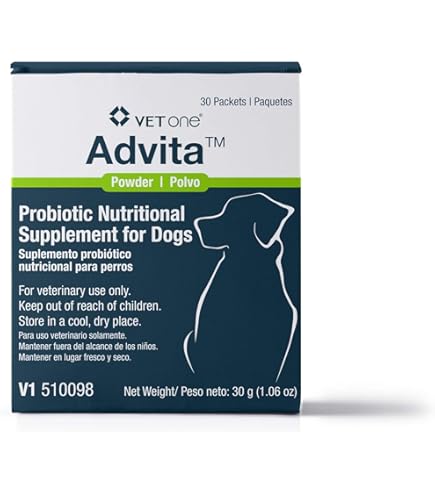
Credit: www.amazon.com
Case Studies And Testimonials
Probiotic supplements for dogs are gaining popularity. Many dog owners see positive changes. This section shares real-life stories and expert opinions. These insights can help you understand the benefits for your dog.
Real-life Success Stories
Bella, a ten-year-old Labrador, struggled with digestive issues. Her owner tried probiotics. After a few weeks, Bella showed improvement. Her digestion became regular. She also became more energetic.
Another case is Max, a young Beagle. Max often had skin allergies. His owner added probiotics to his diet. Max's skin improved over time. His coat became shinier. These stories highlight the potential benefits.
Veterinarian Insights
Dr. Smith, a renowned veterinarian, often recommends probiotics. He believes they support gut health. This, in turn, boosts overall immunity. Dr. Smith has seen positive outcomes in many dogs.
According to Dr. Lee, probiotics aid in nutrient absorption. They help maintain a balanced digestive system. Dr. Lee advises dog owners to consult vets before starting supplements. It's crucial to choose the right product for each dog's needs.

Credit: entirelypetspharmacy.com
Frequently Asked Questions
What Are Probiotics For Dogs?
Probiotics are beneficial bacteria that support digestive health in dogs. They help balance gut flora and enhance nutrient absorption. These supplements can improve immune function and reduce gastrointestinal issues, promoting overall well-being in dogs.
How Do Probiotics Benefit My Dog?
Probiotics boost your dog's digestive health by restoring gut flora balance. They can enhance nutrient absorption and support immune function. Regular use may reduce digestive issues, improve stool quality, and promote overall wellness.
Can Probiotics Help Dogs With Diarrhea?
Yes, probiotics can help dogs with diarrhea. They restore gut balance and improve stool consistency. By enhancing digestive health, probiotics can alleviate diarrhea symptoms and promote faster recovery in dogs.
Are Probiotics Safe For All Dogs?
Probiotics are generally safe for most dogs. However, consult your veterinarian before starting any supplement. They can recommend a suitable product and dosage, ensuring it meets your dog's specific health needs.
Conclusion
Probiotic supplements can benefit your dog's health. They support digestion and boost immune function. Dogs often face stomach issues. Probiotics can help relieve these problems. They improve nutrient absorption, enhancing overall wellness. Choose a high-quality supplement. Consult your vet for the best option.
Regular use promotes a healthy gut. A happy gut means a happy dog. Prioritize your dog's health with probiotics. It’s a simple step towards better health. Watch your dog thrive with improved vitality. Healthy pets make happy homes. Consider probiotics as part of your dog’s diet today.