Are you sneezing and itching because of your love for dogs? You're not alone.
Many dog enthusiasts face the challenge of allergies, but that doesn't mean you have to give up on your dream of owning a furry friend. Thankfully, some breeds are known to be hypoallergenic, offering a solution for allergy sufferers. Imagine having a dog that doesn't trigger your allergies, allowing you to enjoy cuddles and companionship without the sniffles.
Curious about which breeds make the list? Keep reading to discover the perfect hypoallergenic dog breed that might just become your new best friend.
What Makes A Dog Hypoallergenic?
Understanding what makes a dog hypoallergenic can be a game-changer for those with allergies. Many dog lovers face the dilemma of wanting a furry friend but fear the constant sneezing and itchy eyes. The good news is that some breeds are less likely to trigger allergic reactions. But what exactly makes them hypoallergenic? The key lies in their fur, skin, and dander.
What Is Dander?
Dander is tiny, even microscopic, flakes of skin that dogs naturally shed. It's similar to human dandruff but much smaller. For allergy sufferers, dander can be a major irritant. Hypoallergenic dogs produce less dander, reducing the likelihood of allergic reactions. This is why some breeds are more suitable for those with allergies.
Fur Vs. Hair: Is There A Difference?
Many hypoallergenic dogs have hair instead of fur. Hair grows continuously, much like human hair, and tends to trap allergens such as dander and dust. Fur, on the other hand, grows to a certain length and then falls out, potentially spreading allergens. Breeds with hair often require regular grooming, but it's a small price to pay for a sneeze-free life.
Saliva And Its Role
Dog saliva can also be an allergy trigger. Hypoallergenic breeds tend to have less allergenic saliva. This means fewer reactions when your dog licks you or drools on your furniture. It's not just about what they shed but also what they secrete. Ever noticed how some dogs slobber more than others? It's worth considering when choosing a breed.
How Grooming Helps
Regular grooming can significantly reduce allergens in your home. Brushing your dog helps remove loose hair and dander before it ends up on your furniture. Bathing your dog frequently can also wash away allergens from their skin. Are you ready to commit to a grooming routine if it means fewer allergy symptoms?
Choosing a hypoallergenic dog breed is about finding harmony between your love for dogs and your health needs. With the right breed and care, you can enjoy the companionship of a dog without the constant battle against allergies.
Credit: medium.com
Small Hypoallergenic Breeds
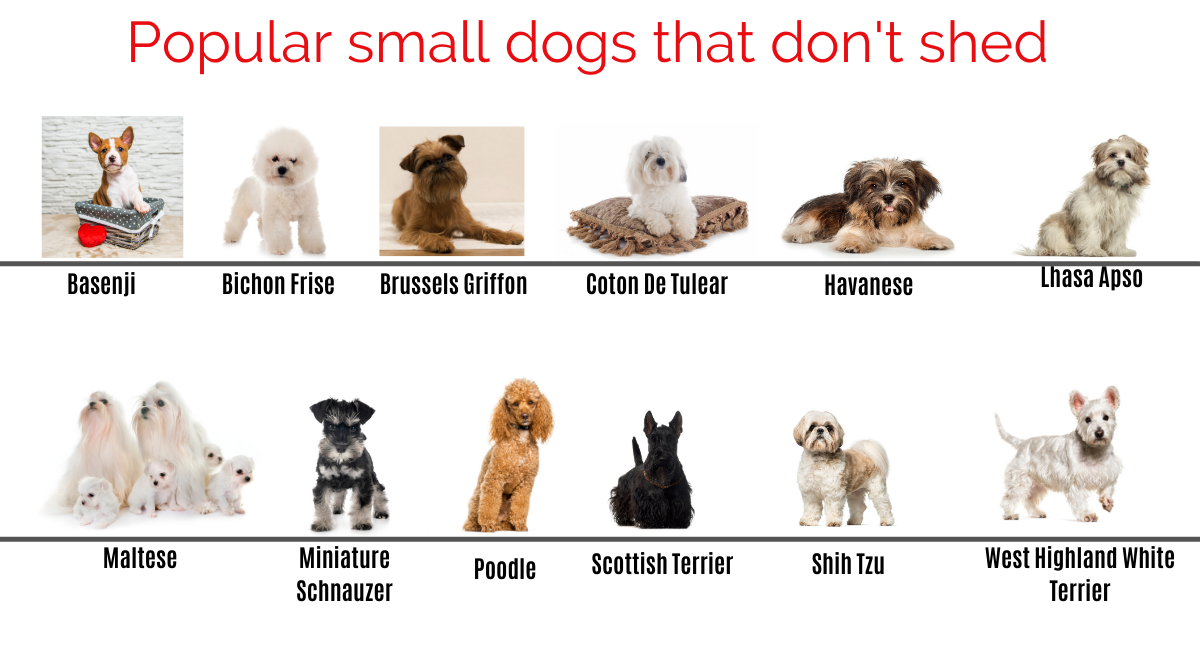
Small hypoallergenic dog breeds are perfect for those with allergies. These breeds shed less dander, making them suitable companions. Let's explore some popular small hypoallergenic breeds.
Bichon Frise
The Bichon Frise is a cheerful and friendly breed. Its fluffy coat requires regular grooming to prevent matting. Despite its thick fur, it produces less dander, which helps minimize allergic reactions. This breed is also known for its playful and affectionate nature, making it a great family pet.
Maltese
The Maltese is a small dog with a long, silky coat. It is hypoallergenic due to its low shedding and minimal dander. Regular grooming keeps its coat healthy and beautiful. The Maltese is gentle and lively, thriving in loving households. Its compact size makes it ideal for apartment living.
Yorkshire Terrier
The Yorkshire Terrier, or Yorkie, is a small, energetic dog. Its hair is similar to human hair, which reduces shedding. This makes it a good choice for allergy sufferers. Yorkies are known for their bold personality and loyalty. They are also smart and easy to train, making them popular pets.
Medium Hypoallergenic Breeds
Certain dog breeds produce fewer allergens, making them suitable for allergy sufferers. Medium hypoallergenic breeds include Poodles, Schnauzers, and Soft Coated Wheaten Terriers. These dogs often have coats that reduce dander and shedding, helping to minimize allergic reactions.
Medium hypoallergenic dog breeds offer a perfect balance for those who want a pet that’s not too small but still manageable in size. These breeds are known for producing fewer allergens, making them a great choice for allergy sufferers. Let’s explore some popular medium hypoallergenic breeds and see if one might be the right fit for you.
Poodle
The Poodle is renowned not just for its intelligence, but also for its hypoallergenic coat. Their curly fur traps dander, preventing it from spreading around your home. Regular grooming is key to maintaining their coat and minimizing allergens. Consider choosing a Poodle if you’re looking for a trainable and active companion. They excel in various dog sports, which can be a fun way to bond with your pet. Plus, their energetic nature makes them perfect for families who enjoy outdoor activities.
Portuguese Water Dog
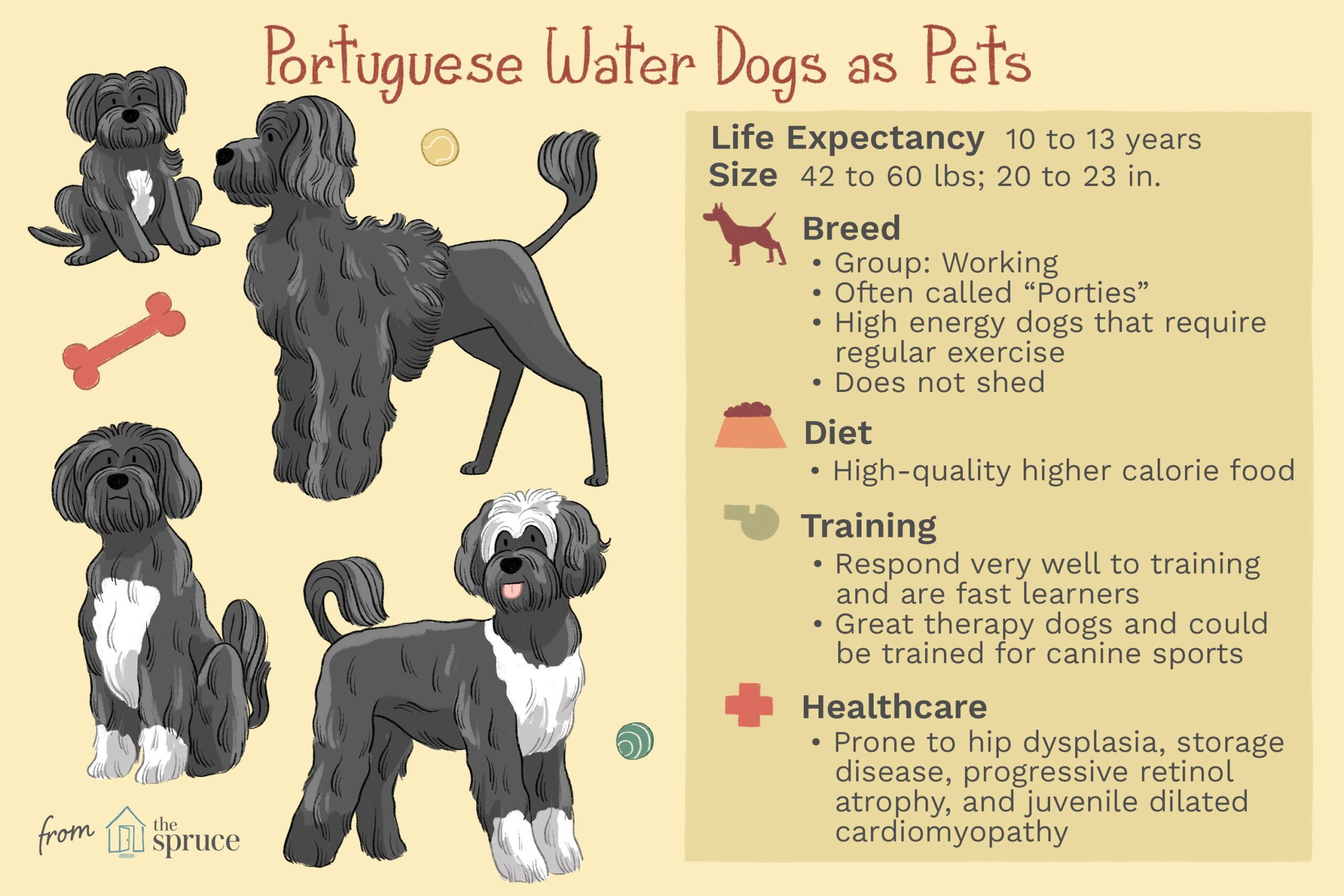
Portuguese Water Dogs are known for their love of water and their hypoallergenic coats. Their dense, curly fur is similar to that of a Poodle, reducing shedding and allergens. This breed is perfect for those who enjoy water activities and want a dog that can join in the fun. These dogs are not just limited to water-related activities; they have a versatile nature. You might find them excelling in obedience or agility trials, making them ideal for active households. Their affectionate personality ensures they quickly become a beloved family member.
Basenji
The Basenji stands out with its unique barkless nature, but it’s also a great hypoallergenic option. Their short coat sheds minimally, which is a boon for allergy sufferers. Basenjis are known for their cat-like grooming habits, keeping themselves clean and tidy. If you prefer a quieter pet, the Basenji might be your perfect match. Despite their silent nature, they are full of energy and curiosity, always eager to explore. This breed is an excellent choice for those who appreciate a dog with a distinct personality and minimal grooming needs. Choosing the right dog breed involves considering your lifestyle and any allergy concerns. By focusing on medium hypoallergenic breeds, you can find a furry friend that complements your home and keeps allergens at bay. Is one of these breeds calling your name?
Large Hypoallergenic Breeds
Large hypoallergenic dog breeds offer companionship without allergy concerns. These dogs are perfect for those who need a bigger furry friend. They are known for their gentle nature and intelligence. Let's explore some popular large hypoallergenic breeds.
Labradoodle
Labradoodles are a cross between Labradors and Poodles. Their curly coats often reduce shedding. This makes them a favorite for allergy sufferers. Labradoodles are friendly and smart. They love to play and are easy to train. Their energy and affection make them wonderful family pets.
Irish Water Spaniel
The Irish Water Spaniel is known for its curly, water-resistant coat. This breed is one of the oldest spaniel breeds. It is active and loves swimming. Its coat requires regular grooming to maintain its hypoallergenic qualities. These dogs are loyal and excel in obedience training.
Afghan Hound
Afghan Hounds are elegant and have long, silky coats. Despite their appearance, they shed minimally. This makes them suitable for allergy-sensitive families. They are independent and may seem aloof at times. Patience is key when training an Afghan Hound. They are intelligent and learn quickly with the right approach.
Factors Affecting Allergies
Understanding allergies is key to finding the right hypoallergenic dog. Allergies are triggered by proteins found in a dog's dander, saliva, and coat. These proteins can cause sneezing, itching, and other allergic reactions. Knowing these factors helps in choosing a suitable dog breed for allergy sufferers.
Dander
Dander consists of tiny skin flakes that dogs shed. It can cause allergies in sensitive individuals. Dogs that shed less dander are often better for allergy sufferers. Regular cleaning and grooming can help reduce dander in the home.
Saliva
Allergens are present in a dog's saliva. Dogs lick themselves, spreading saliva on their fur. This saliva dries and becomes airborne, causing allergic reactions. Some breeds produce less allergenic saliva than others. Choosing these breeds can minimize allergic responses.
Coat Type
The type of coat a dog has can affect allergies. Dogs with curly or tightly woven coats trap dander and hair. This reduces the amount released into the air. Breeds with such coats often cause fewer allergies. Regular grooming helps maintain a cleaner coat, reducing allergens.

Credit: www.hideandscentpets.com
Tips For Managing Allergies
Choosing the right dog breed can help manage allergies. Hypoallergenic breeds like Poodles and Bichon Frises are ideal choices. They shed less dander, reducing allergic reactions.
Managing allergies while owning a dog can be challenging but rewarding. Hypoallergenic breeds offer some relief, but managing allergens requires effort. Simple changes can make a big difference in allergy control.
Regular Grooming
Regular grooming helps reduce allergens. Brush your dog often to remove loose hair and dander. Use hypoallergenic shampoos during baths. Bathing should be done weekly to keep allergens at bay. Cleaning your dog's bedding often is crucial too. It prevents allergen buildup.
Air Purifiers
Air purifiers can significantly reduce allergens in your home. Choose purifiers with HEPA filters for best results. Place them where your dog spends most of its time. Ensure filters are changed regularly. This keeps your air clean and allergen-free.
Allergy Medications
Consult with a doctor about allergy medications. Antihistamines can relieve symptoms. Nasal sprays provide quick relief. Discuss long-term solutions with your doctor. They might suggest allergy shots for severe cases. Always follow medical advice for medication use.
Credit: suburban-k9.com
Frequently Asked Questions
What Dog Is The Most Hypoallergenic?
The Poodle is often considered the most hypoallergenic dog. Their curly coat reduces shedding and dander. Other good options include the Bichon Frise and Maltese. Always spend time with a breed before adopting to ensure compatibility with allergies.
What Is The Most Hypoallergenic Big Dog?
The Giant Schnauzer is a hypoallergenic large dog. They shed minimally and produce less dander. Regular grooming helps maintain their hypoallergenic qualities. Ideal for allergy sufferers seeking a big dog.
What Kind Of Dog Is Good For A Person With Allergies?
Consider hypoallergenic dog breeds like Poodles, Bichon Frises, or Maltese. They shed less and produce fewer allergens. Regular grooming and cleaning help minimize allergens at home. These breeds are often recommended for allergy sufferers due to their low-shedding coats.
What Qualifies A Dog As Hypoallergenic?
A dog qualifies as hypoallergenic if it produces fewer allergens than other breeds. These dogs shed less dander, reducing allergic reactions. Common hypoallergenic breeds include Poodles and Bichon Frises. Regular grooming helps minimize allergens further.
Conclusion
Finding the right hypoallergenic dog breed can ease allergies. Each breed has unique traits and needs. Poodles, Bichon Frises, and Maltese are popular choices. They shed less and produce fewer allergens. Always spend time with a dog before deciding. This helps ensure a good match.
Consult with breeders or shelters for advice. Personal allergies can vary greatly. Test your reactions in different settings. Remember, a hypoallergenic dog might still trigger allergies. But with careful research, you can find a compatible furry friend. Enjoy the companionship without the sneezes!