Imagine giving your dog a meal that not only satisfies their hunger but also boosts their health, vitality, and happiness. As a loving pet owner, you naturally want the best for your furry friend.
You've heard about raw food diets for dogs, but with so many options out there, how do you choose the best one? The answer might surprise you and could change your pet's life for the better. We'll explore the ins and outs of raw food for dogs, shedding light on the best options available to ensure your dog thrives.
Stick around, because what you discover might just be the key to unlocking a healthier, happier life for your beloved companion.
Benefits Of Raw Food Diet For Dogs
Many dog owners explore the benefits of a raw food diet for their pets. This diet can enhance a dog's health and well-being. Raw food includes fresh meat, bones, and vegetables. These ingredients mimic a dog's natural diet.
Improved Digestion
Raw food is easy on a dog's stomach. It contains natural enzymes that aid digestion. Dogs often have fewer stomach issues on this diet.
Healthier Skin And Coat
Raw diets provide essential nutrients. These nutrients support healthy skin and a shiny coat. Dogs on raw diets often have less itching and flakiness.
Increased Energy Levels
Raw food offers high-quality proteins and fats. These nutrients boost energy. Dogs may become more active and playful.
Stronger Immune System
Raw diets are packed with vitamins and minerals. These boost the immune system. Dogs are better at fighting off infections.
Cleaner Teeth
Chewing raw bones can clean a dog's teeth. This reduces plaque and tartar. It can lead to fresher breath.
Weight Management
Raw food diets are often low in carbohydrates. This helps maintain a healthy weight. Dogs can build lean muscle mass.
Essential Nutrients In Raw Foods
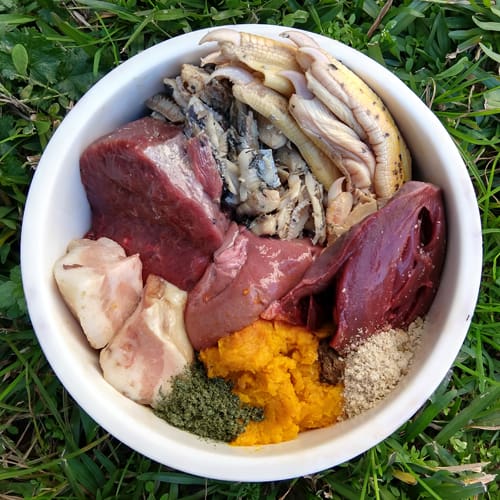
Dogs thrive on raw foods rich in essential nutrients like vitamins and minerals. Raw meats, like chicken and beef, provide protein and energy. Vegetables such as carrots and spinach add fiber and antioxidants.
Are you considering a raw food diet for your furry friend? Understanding the essential nutrients in raw foods can make all the difference in your dog's health and happiness. Feeding your dog raw food isn't just a trend; it's about giving them the nutrients they need to thrive. Let's dive into the vital components that make raw food a great choice for dogs.
Protein Power
Protein is the cornerstone of a raw food diet. It supports muscle growth and repair. Dogs thrive on proteins found in raw meats like chicken, beef, and fish. Have you noticed your dog looking stronger and more energetic after switching to raw meals? That's the protein working its magic.
Healthy Fats
Fats are crucial for a shiny coat and healthy skin. Raw foods like fish and eggs provide essential fatty acids. These fats also help your dog's brain function and support their immune system. Next time you notice your dog's coat gleaming in the sunlight, thank those healthy fats.
Vital Vitamins
Vitamins in raw foods play a key role in your dog's overall well-being. Organ meats such as liver are rich in vitamins A, B, and E. These vitamins boost your dog's vision, metabolism, and immune response. Wouldn't you want your pet to have all the energy to chase after their favorite ball?
Minerals For Strong Bones
Minerals like calcium and phosphorus are abundant in raw bones and eggshells. They are essential for maintaining strong bones and teeth. You might find that your dog's dental health improves after incorporating these raw elements into their diet.
Digestive Enzymes
Raw foods contain natural enzymes that aid digestion. They help break down food more efficiently, reducing bloating and discomfort. If your dog often experiences tummy troubles, raw foods might just be the solution you need.
Hydration From Raw Foods
Raw foods have a higher moisture content than processed kibble. This helps keep your dog hydrated, which is vital for kidney function and overall health. Just imagine the relief of not having to constantly remind your dog to drink water. Incorporating these essential nutrients into your dog's diet can lead to visible improvements in their health. Are you ready to see your dog happier and healthier with a raw food diet? Remember, every dog is unique, so it's essential to monitor their progress and consult with a vet for personalized advice.
Meat Varieties For Dogs
Exploring meat varieties for dogs is crucial for a balanced diet. Each type offers unique benefits. Knowing what suits your dog is essential.
Chicken
Chicken is a popular choice for dog owners. It's lean and high in protein. Dogs usually love its taste. It's easy to digest and boosts energy. Chicken supports muscle growth. It's rich in essential amino acids.
Beef
Beef is another excellent meat option for dogs. It contains high-quality protein. Beef helps maintain strong muscles. It provides essential nutrients like iron and zinc. Dogs enjoy its rich flavor. Beef supports overall health.
Turkey
Turkey is a nutritious alternative for dogs. It's low in fat and calories. Turkey is packed with protein. It aids in muscle development. Dogs find it tasty and satisfying. Turkey is gentle on the stomach.
Lamb
Lamb is a flavorful choice for dogs. It's rich in essential fatty acids. Lamb offers high-quality protein. It supports healthy skin and coat. Dogs appreciate its unique taste. Lamb is beneficial for sensitive stomachs.
Fish Options For Dogs
Dogs thrive on raw fish like salmon, sardines, and mackerel. These options provide essential omega-3 fatty acids. Such nutrients support healthy skin, coat, and joints. Plus, raw fish is a great protein source for energetic pups. Always ensure the fish is fresh and properly prepared to avoid health risks.
Considering a raw diet for your dog can be a rewarding choice, offering numerous health benefits. Among the various food options, fish stands out as a nutritional powerhouse. Fish is not only rich in protein but also packed with essential omega-3 fatty acids that support your dog's coat, skin, and overall health. However, which types of fish are best for your furry friend? Let's dive into two popular choices: salmon and sardines.
Salmon
Salmon is a popular choice among pet owners for its high omega-3 content, which is great for your dog's brain and heart health. It can also help reduce inflammation and improve joint health, making it an excellent choice for older dogs. When feeding salmon, ensure it's cooked or freeze-dried, as raw salmon can harbor harmful parasites. Another benefit of salmon is its rich flavor, which most dogs find irresistible. Have you ever noticed how your dog perks up when you open a can of salmon? It’s a testament to its appealing taste. Just remember to serve it in moderation to avoid excess mercury intake.
Sardines
Sardines are small but mighty when it comes to nutritional benefits. They're packed with omega-3 and omega-6 fatty acids, promoting healthy skin and coat. Additionally, sardines are less likely to contain high levels of mercury compared to larger fish, making them a safer option for regular feeding. Consider adding sardines to your dog’s diet as a treat or a meal topper. They are usually canned, so make sure to choose those preserved in water without added salt. Have you ever wondered why your dog prefers certain treats over others? Often, it's about smell and texture. Sardines' strong aroma can make them an attractive choice for picky eaters. Choosing the right fish option for your dog can significantly impact their health and happiness. What fish have you tried giving to your dog? Share your experiences and tips with fellow dog owners.
Fruits And Vegetables
Carrots and apples make great raw food choices for dogs. Both offer essential vitamins and are easy to digest. Broccoli is another option, providing fiber and nutrients. Always ensure the fruits and vegetables are clean and cut into small pieces to prevent choking.
Feeding your dog a balanced diet is vital for their health. Fruits and vegetables can play a key role in providing essential nutrients. They’re not just good for humans but can be a great addition to your dog's raw food diet too. Let's dive into some specific options.
Blueberries
Blueberries are a powerhouse of antioxidants. They help in fighting free radicals in your dog's body. This can contribute to reducing inflammation and boosting their immune system. Try adding a few blueberries to your dog's meal. They are small, easy to chew, and most dogs love the sweet taste. Always wash them thoroughly before serving. Have you ever noticed your dog being more energetic after a blueberry treat? These little berries can give them a natural energy boost, making playtime even more fun.
Carrots
Carrots are not just crunchy snacks. They are packed with beta-carotene, which is good for your dog's vision. If your dog loves to chew, a raw carrot can be a great treat. Cut carrots into bite-sized pieces for small dogs. Larger dogs might enjoy gnawing on a whole carrot. It's a healthy way to keep their teeth clean and strong. You might wonder if your dog gets bored with their food. Adding carrots can add texture and a hint of sweetness, making meals more interesting.
Spinach
Spinach is rich in iron and vitamins A, C, and K. It can help in keeping your dog's bones strong and their skin healthy. A small amount can go a long way. Chop spinach finely before adding it to your dog's meal. This ensures easy digestion. It's a great way to introduce leafy greens into their diet without overwhelming their palate. Do you ever worry about the nutrients your dog is missing? Spinach can be a simple solution to fill those gaps without changing their diet drastically. Incorporating these fruits and vegetables into your dog's diet can be both fun and beneficial. They add variety and can improve your dog's health. Why not try introducing one today and see the positive effects on your furry friend?
Credit: perfectlyrawsome.com
Supplements For A Balanced Diet
Choosing raw food for dogs needs careful planning. Supplements can ensure a balanced diet. They fill nutritional gaps and promote overall health. Knowing the right supplements is crucial. Let's explore two important ones: Omega-3 Fatty Acids and Calcium Sources.
Omega-3 Fatty Acids
Omega-3 fatty acids are vital for dogs. They support heart health and reduce inflammation. Fish oil is a great source. It improves coat quality and boosts brain function. Flaxseed oil is another option. It offers plant-based omega-3s. Adding these oils to meals is easy.
Calcium Sources
Calcium strengthens bones and teeth. It helps in muscle function and nerve signaling. Bone meal powder is rich in calcium. It blends easily with raw meals. Crushed eggshells are a natural alternative. They're packed with calcium and simple to prepare. A balanced calcium intake is essential for growth and maintenance.
Safety Tips For Feeding Raw Foods
Feeding raw food to dogs offers many benefits but demands careful handling. Raw food can harbor bacteria or parasites. Proper safety measures can protect your dog and family. This section provides essential tips for feeding raw foods safely.
Handling And Storage
Always wash hands before and after touching raw food. Use separate utensils for raw meats to avoid contamination. Store raw food in sealed containers to keep it fresh. Refrigerate promptly to prevent bacterial growth. Label containers with dates to track freshness.
Portion Sizes
Consider your dog's size and activity level when deciding portions. A typical adult dog eats 2-3% of its body weight daily. Adjust portions based on energy needs and weight goals. Puppies might need more due to growth. Monitor your dog's weight and adjust portions accordingly.

Credit: keepthetailwagging.com
Transitioning To Raw Diet
Switching your dog to a raw food diet can be rewarding. Many dog owners notice improved health and vitality in their pets. This change, however, requires thoughtful planning and care. Understanding how to transition smoothly is key. The process should be gradual and monitored closely. Your dog's health and happiness depend on it.
Gradual Introduction
Introduce raw food slowly. Start by mixing small amounts with their regular food. Gradually increase the raw portion over one to two weeks. This helps your dog adjust to the new diet. Watch for any digestive issues during this phase. If problems arise, slow down the transition. Each dog is unique, so patience is essential.
Monitoring Health Changes
Keep an eye on your dog's health during the switch. Look for changes in energy levels and coat condition. Monitor stool consistency and frequency. These can indicate how well your dog is adapting. Regular vet check-ups are also important. They can provide insights into your pet's overall health. Adjust the diet based on these observations. Proper monitoring ensures a healthy transition to raw food.
Common Misconceptions
Many believe dogs thrive on raw food, but not all options suit every pup. Chicken often tops the list, yet beef can be equally nutritious. Choosing the best raw diet demands careful consideration of individual dog needs.
When considering a raw food diet for dogs, many pet owners are met with skepticism. Misunderstandings about raw feeding abound, leading to hesitations and myths that cloud the truth. Addressing these misconceptions helps you make informed choices that can benefit your dog's health and wellbeing.
Raw Food And Aggression
A common myth suggests that feeding dogs raw meat makes them aggressive. Some believe the taste of raw blood triggers primal instincts. But does your dog suddenly become a hunter after a steak? Most pet owners find that their dogs maintain the same temperament as before. It's important to remember that aggression in dogs is typically linked to behavioral issues, not diet. Dogs fed raw food often display improved health, which can lead to a calmer demeanor. If your dog shows signs of aggression, consider consulting a professional trainer instead of blaming the meat.
Nutritional Balance Concerns
Another misconception is that raw diets lack nutritional balance. Some worry that without kibble, dogs miss out on essential nutrients. But did you know that raw feeding can be carefully crafted to meet all your dog's needs? A raw diet can include muscle meat, bones, organs, and even vegetables. This variety can offer a balanced nutritional profile. If you're unsure about the right balance, consulting a vet can guide you in creating a diet plan that works for your furry friend. What are your thoughts? Would you try a raw food diet for your dog, or do these misconceptions hold you back?

Credit: dogsfirst.ie
Frequently Asked Questions
What Raw Foods Are Best For Dogs?
Raw foods like beef, chicken, and fish are excellent choices for dogs. They provide essential nutrients and proteins. Fruits and vegetables like carrots and apples offer vitamins and minerals. Always ensure the raw food is fresh and safe to prevent health risks.
Can Dogs Eat Raw Meat Safely?
Yes, dogs can safely eat raw meat if it's handled properly. Ensure it's fresh and free of contaminants. Raw meat provides proteins and nutrients essential for their health. Consult your vet for advice on quantities and types suitable for your dog’s breed and age.
Are Bones Safe In A Dog's Raw Diet?
Raw bones are generally safe and beneficial for dogs. They help clean teeth and provide minerals. Avoid cooked bones as they can splinter and cause harm. Supervise your dog while eating bones and choose appropriate sizes to prevent choking hazards.
How Do I Transition My Dog To Raw Food?
Gradually introduce raw food to your dog’s diet over a week. Start by mixing small portions with their regular food. Increase the raw portion daily while observing any digestive changes. Consulting a vet can help tailor the transition for your dog’s specific needs.
Conclusion
Choosing the best raw food for dogs is important. It supports health and happiness. Dogs thrive on fresh, nutritious meals. Their energy levels can improve. Their coats can shine. Their digestion can be smoother. It’s essential to research and consult a vet.
Every dog is unique. Needs may differ based on breed and size. Start with small portions. Observe reactions and adjust accordingly. A balanced diet is key. It keeps dogs strong and active. Owners should stay informed. Regular updates on diet trends can help.
Your dog's health matters. A great diet makes a great dog.