Are you tired of constant sneezing and itchy eyes whenever you're around dogs? Yet, you still dream of having a furry friend by your side?
You're not alone. Many dog lovers face the same dilemma. The good news is that there are small dog breeds that are hypoallergenic. These breeds can be a perfect fit for you, providing companionship without the relentless allergy triggers. Imagine a life where you can cuddle with your pet without reaching for a tissue box.
Intrigued? Let's explore which small dog breeds are hypoallergenic and could be the ideal companion for your home.
Hypoallergenic Dog Traits
Hypoallergenic dog breeds are sought after by allergy sufferers. These dogs have specific traits that reduce allergenic reactions. Understanding these traits helps you find the right companion. Let's explore the characteristics that make these dogs special.
Low Shedding Coats
Many hypoallergenic dogs have low shedding coats. This means fewer loose hairs around your home. Less shedding reduces allergens in the air. Dogs like the Poodle have these coats.
Minimal Dander Production
Dander is a common allergen. Hypoallergenic dogs produce less dander. This reduces allergic reactions for sensitive individuals. Breeds like the Bichon Frise are known for this trait.
Compact Size
Small dogs often produce fewer allergens. Their compact size means less hair and dander. Breeds like the Maltese fit this description. Their size is perfect for those with allergies.
Regular Grooming Needs
Hypoallergenic dogs benefit from regular grooming. Frequent brushing helps control dander and shedding. Grooming keeps their coats clean. This is essential for maintaining low allergen levels.
Unique Coat Type
Some breeds have unique coat types. This helps trap allergens before they spread. Dogs like the Schnauzer have wiry coats. These coats trap dander effectively.
Benefits Of Hypoallergenic Breeds
Certain small dog breeds are hypoallergenic, making them ideal for allergy sufferers. These dogs shed less fur and produce fewer allergens, providing a comfortable environment. Breeds like the Bichon Frise and Maltese are popular choices due to their friendly nature and minimal shedding.
Choosing a hypoallergenic dog breed can make a world of difference for those who suffer from allergies. These breeds produce fewer allergens, making them a more comfortable choice for sensitive individuals. But beyond just keeping sneezes and sniffles at bay, hypoallergenic breeds offer several other benefits that make them an appealing choice for many dog lovers.
Improved Indoor Air Quality
Having a hypoallergenic dog can significantly improve your indoor air quality. These breeds shed less dander, which is often the main trigger for allergies. Imagine coming home to a cleaner, fresher environment where you can breathe easily without the constant worry of allergens floating around.
Reduced Cleaning Time
Less shedding means less time spent vacuuming and dusting. With a hypoallergenic dog, your floors, furniture, and clothes stay cleaner longer. This gives you more time to enjoy with your furry friend rather than dealing with constant cleaning chores.
More Opportunities For Social Interaction
Owning a hypoallergenic breed can open doors to social interactions that might otherwise be limited. You can invite friends and family over without fear of triggering their allergies. This creates more opportunities for social gatherings and strengthens your social bonds.
Better Bonding Experience
A hypoallergenic dog allows for more physical closeness without the worry of allergic reactions. You can cuddle, play, and share a bed with your dog without discomfort. This leads to a deeper, more fulfilling relationship between you and your pet.
Accessible To Allergy Sufferers
Have you always dreamt of having a pet but struggled with allergies? Hypoallergenic breeds make dog ownership possible for those who thought it was out of reach. Owning a dog is no longer an unfulfilled dream but a joyful reality.
Variety Of Breeds
There is a wide variety of hypoallergenic breeds to choose from, each with its unique personality and characteristics. Whether you prefer the lively Bichon Frise or the playful Poodle, there's a hypoallergenic dog that fits your lifestyle perfectly. Have you ever considered which breed would suit you best? Choosing a hypoallergenic breed not only caters to allergy sufferers but also enhances your overall living environment. Is there a hypoallergenic breed that has caught your eye?
Bichon Frise
Bichon Frise is a small, hypoallergenic breed perfect for allergy sufferers. Their curly coats trap dander, reducing allergens. Friendly and playful, they make great companions.
The Bichon Frise, with its fluffy white coat and cheerful personality, is a favorite among small dog breeds. Known for being hypoallergenic, Bichon Frises are perfect companions for those who suffer from allergies. Their friendly nature and playful antics make them a joy to have around the house. However, what makes them stand out is their unique coat and the specific care it requires.
Coat Characteristics
The Bichon Frise is blessed with a distinctive double coat. The outer layer is curly and textured, while the undercoat is soft and dense. This combination helps trap allergens, preventing them from becoming airborne. This breed's coat is often compared to cotton balls due to its fluffy and cloud-like appearance. While their coat is beautiful, it requires regular grooming to maintain its hypoallergenic properties. Neglecting this can lead to tangling and matting, which may increase allergen shedding. You might wonder why a dog with so much fur is considered hypoallergenic. The secret lies in their low-shedding coat. This feature reduces the amount of dander released into the environment, making Bichons an excellent choice for allergy sufferers.
Care Requirements
Grooming a Bichon Frise demands commitment. Regular brushing, at least a few times a week, is essential to prevent tangles and keep their coat healthy. Investing in a high-quality brush can make this task easier and more effective. Professional grooming every four to six weeks is recommended. This includes trimming their coat to maintain its shape and checking for any skin issues. Neglecting professional grooming might lead to discomfort for your pet and more allergens in your home. Bichons also require regular baths to keep their coat clean and odor-free. Using hypoallergenic shampoos can help maintain their skin health while minimizing the risk of allergic reactions. Have you ever noticed how a fresh, clean coat can brighten a dog's mood? It’s remarkable! Their grooming routine might seem demanding, but it’s a small price to pay for a hypoallergenic companion. Plus, spending time grooming can strengthen the bond between you and your Bichon Frise. Are you ready to welcome a Bichon Frise into your home? Their charm and hypoallergenic nature might just make them the perfect fit for you.
Credit: bcvet.org
Poodle
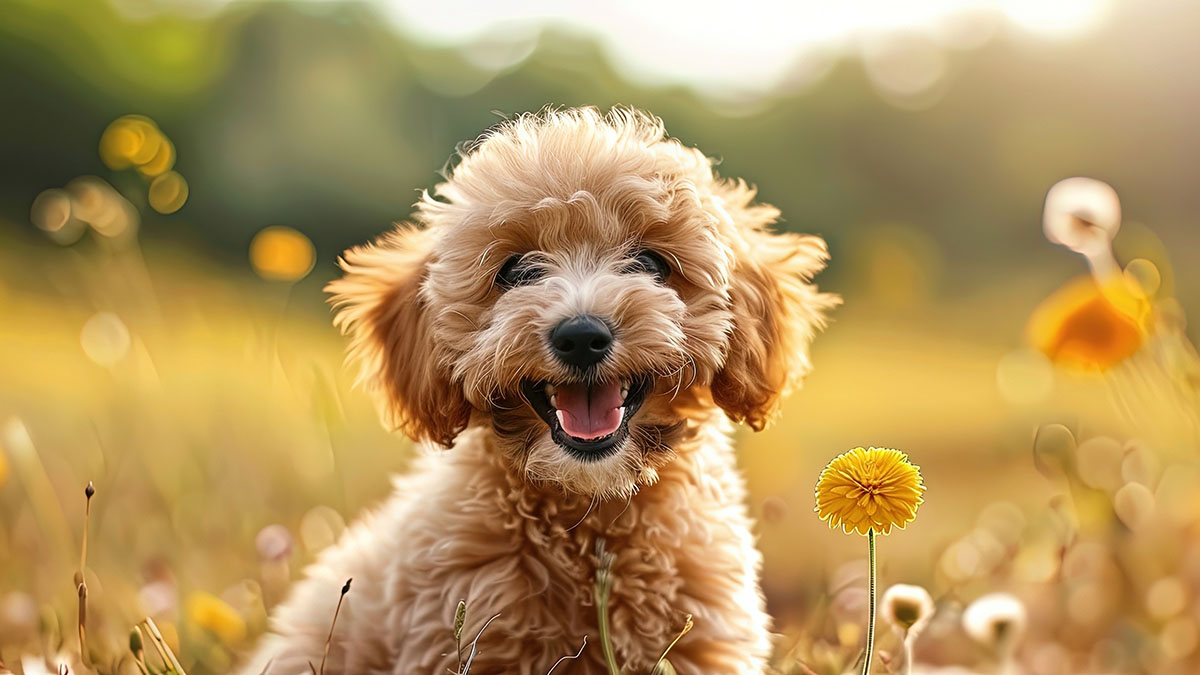
Poodles are a popular choice for those seeking hypoallergenic small dog breeds. Their curly coats trap dander, reducing allergens. Regular grooming keeps their fur in top condition, making them ideal for allergy sufferers.
When you think of hypoallergenic small dog breeds, the Poodle often tops the list. Known for their intelligence and trainability, Poodles also offer a significant advantage for those with allergies. Their unique coat traps dander and reduces shedding, making them a popular choice for allergy sufferers. But what’s even more fascinating is the variety within this breed. Let's dive into the specifics of the Poodle, focusing on their size variations and grooming needs.
Size Variations
Poodles come in three size variations: Toy, Miniature, and Standard. The Toy Poodle is the smallest, standing up to 10 inches tall and weighing around 4 to 6 pounds. They are perfect for those living in apartments or smaller homes due to their compact size. The Miniature Poodle is slightly larger, with a height of 10 to 15 inches and a weight ranging from 10 to 15 pounds. This size fits well for families who want a small dog that can also enjoy more active playtime. The Standard Poodle, although larger, is still a hypoallergenic option. However, if you're strictly looking for a small dog, the Toy or Miniature sizes will be your best match. Consider your living space and lifestyle when choosing the right Poodle size for you.
Grooming Needs
Poodles have a dense, curly coat that requires regular grooming to maintain its health and appearance. Regular grooming not only keeps their coat looking good but also helps control allergens. You should plan on brushing your Poodle several times a week to prevent matting. Professional grooming every 4 to 6 weeks is recommended to keep their coat in optimal condition. Grooming can be a bonding experience if you decide to do it at home. It also gives you the chance to check for any skin issues or parasites. Investing time in your Poodle’s grooming routine will ensure they stay comfortable and allergy-friendly. Have you ever groomed a Poodle at home? How did it go? Share your experiences and tips!
Maltese
Maltese dogs are a popular choice for those seeking hypoallergenic small breeds. Their long, silky coats shed minimally, reducing allergens. These affectionate pets are well-suited for allergy sufferers.
The Maltese is a charming breed. Known for its silky white coat, this small dog is a favorite among pet lovers. Despite its glamorous appearance, the Maltese is a robust little dog. It offers hypoallergenic qualities, ideal for allergy sufferers.
Temperament
The Maltese is gentle and playful. They thrive on human interaction. Known for being affectionate, they form strong bonds with owners. Maltese dogs are lively yet adaptable. They adjust well to different living environments. Their small size makes them perfect for apartment dwellers.
Health Considerations
Maltese dogs are generally healthy. Regular vet check-ups are essential. Eye health is a common concern. They may develop tear stains and irritation. Dental care is crucial. Small breeds often face dental issues. Regular brushing helps prevent problems. Maltese can also suffer from joint issues. Proper diet and exercise support joint health.

Credit: www.pinterest.com
Yorkshire Terrier
Yorkshire Terriers, often referred to as "Yorkies," are one of the most beloved small dog breeds. Known for their vibrant personalities and luxurious coats, these little dogs can make wonderful companions. If you're looking for a hypoallergenic dog breed, Yorkies are worth considering. Their minimal shedding can be a relief for allergy sufferers. But there's more to owning a Yorkie than just their hypoallergenic qualities. Let's dive into some practical tips on their exercise needs and dietary habits.
Exercise Needs
Yorkshire Terriers may be small, but they are full of energy. They love to play and explore, requiring regular exercise to stay healthy and happy. Short walks around the neighborhood or playtime in the backyard can do wonders.
It's essential to keep their minds engaged as well. Try interactive toys or simple training sessions. Have you ever noticed how they seem to absorb every detail around them? Encourage that curiosity!
Consider how much time you can dedicate daily to their exercise. Consistency is key. Can you squeeze in a quick walk during your lunch break or some playtime in the evening?
Dietary Tips
Feeding your Yorkshire Terrier a balanced diet is crucial for their well-being. Due to their small size, portion control is vital. You don't want them to become overweight, as it can affect their agility and health.
Opt for high-quality dog food specifically formulated for small breeds. Have you ever checked the ingredients in your pet’s food? Look for proteins and essential nutrients. Avoid fillers that offer little nutritional value.
Consider introducing fresh fruits and vegetables as occasional treats. These can be a delightful addition to their diet. Always ensure new foods are safe for dogs. Have you ever shared a carrot with your Yorkie during snack time? They might just love it!
By understanding their exercise and dietary needs, you can ensure your Yorkie leads a healthy, active life. How do you plan to incorporate these insights into your daily routine with your Yorkie?
Shih Tzu
The Shih Tzu is a delightful and charming small dog breed. Known for their affectionate nature, they make loyal companions. This breed has a long, flowing coat, often mistaken for high-maintenance. Surprisingly, Shih Tzus are considered hypoallergenic. Their unique fur reduces allergens, making them great for allergy sufferers. They adapt well to various living environments, including apartments.
Socialization
Socialization is crucial for a well-adjusted Shih Tzu. Introduce them to different environments early. This helps them feel comfortable in new situations. Meet different people and pets regularly. This exposure reduces anxiety and fear. A well-socialized Shih Tzu is friendly and confident. They enjoy being around children and other animals.
Training Tips
Training a Shih Tzu requires patience and consistency. Use positive reinforcement techniques like treats and praise. Short, engaging sessions work best. Shih Tzus can be stubborn, so keep training fun. They respond well to gentle commands and encouragement. Start with basic commands like sit, stay, and come. Gradually introduce more complex tasks. Remember, a trained Shih Tzu is a happy and obedient pet.
Managing Allergies
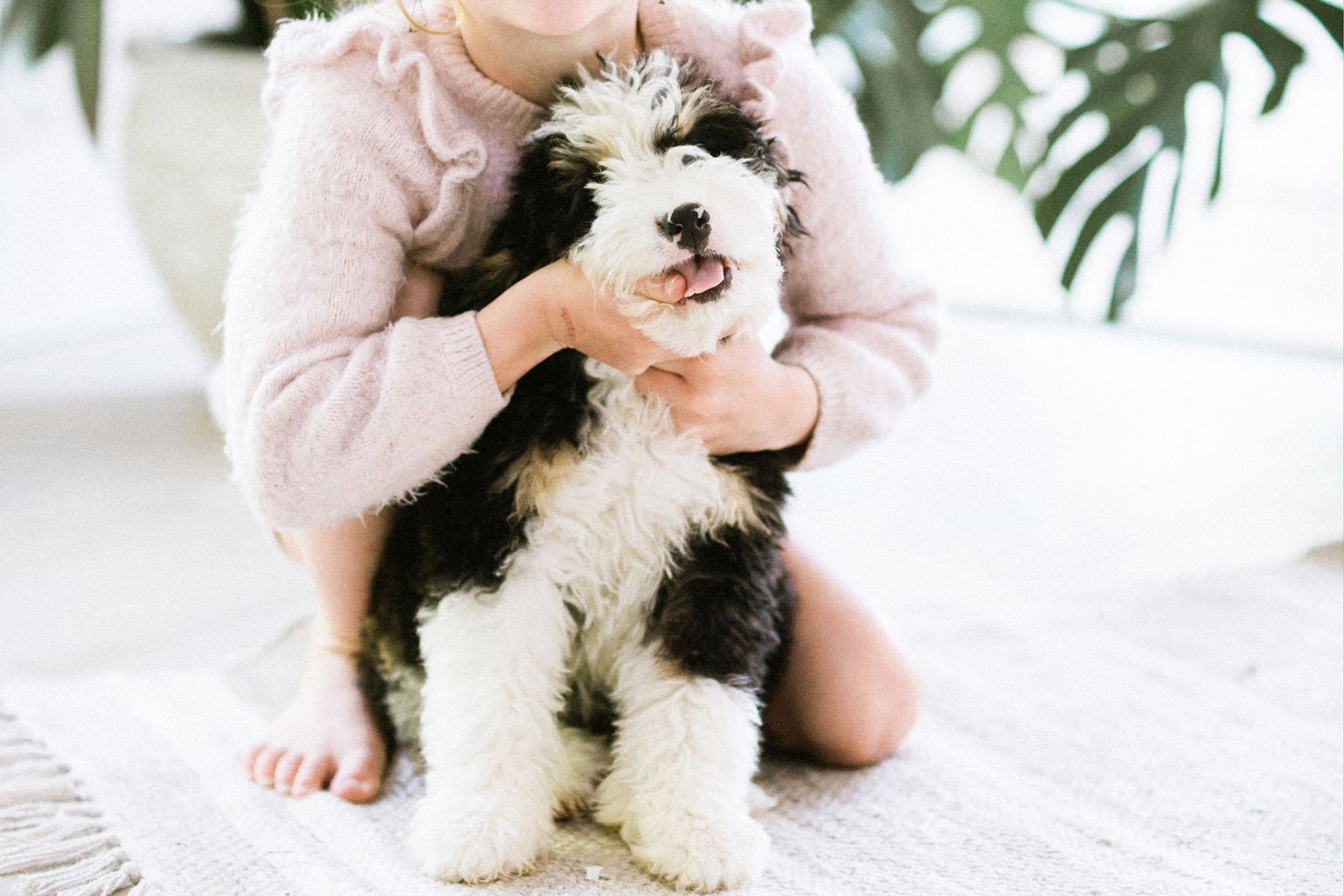
Small dog breeds like Poodles, Maltese, and Bichon Frise are known for being hypoallergenic. Their low-shedding coats help reduce allergy symptoms. Choosing one of these breeds can make living with allergies easier.
Managing allergies can be a real challenge, especially if you're a dog lover with sensitive reactions. It's a struggle many face, wanting the companionship of a furry friend without the sneezing and itching. Fortunately, understanding how to manage these allergies can bring you closer to finding your perfect hypoallergenic small dog breed.
Understanding Hypoallergenic Traits
Hypoallergenic dogs typically shed less dander, which is often the culprit behind allergic reactions. These breeds have coats that trap allergens, reducing their spread in your home. Less shedding means fewer allergens in the air, making it easier for you to breathe freely.
Regular Grooming Practices
Regular grooming is essential in managing allergies. Frequent brushing and bathing can minimize dander. It also helps keep your dog's coat healthy and clean. Try setting a weekly schedule for grooming to keep your home allergen-free. Have you considered professional grooming services for a deeper clean?
Creating A Clean Environment
Keeping your living space clean is crucial. Vacuuming regularly and using air purifiers can significantly reduce allergens. Opt for hypoallergenic covers for your furniture and bedding. This ensures that your dog's dander doesn't settle where you relax or sleep.
Personal Experience With Allergies
Living with allergies myself, I found that choosing the right dog breed made a huge difference. A friend's suggestion led me to consider hypoallergenic breeds like the Bichon Frise. It was a game-changer. Suddenly, I could enjoy my dog's company without constant sneezing. Have you had a similar experience?
Consulting Professionals
Consulting with veterinarians can provide insights into managing allergies effectively. They can recommend the best hypoallergenic breeds suited for you. Additionally, allergists can offer advice on medications or treatments. Have you talked to a specialist about managing pet allergies?
Diet And Health Of Your Dog
A healthy diet can affect your dog's skin and coat health, impacting dander production. Opt for high-quality dog food that supports skin health. Supplements like omega-3 fatty acids can also be beneficial. How do you ensure your dog's diet supports allergy management?
Making The Right Choice
Selecting the right breed is about knowing your needs and preferences. Small hypoallergenic breeds like the Maltese or Shih Tzu offer companionship without the allergens. Think about your lifestyle and space when choosing a breed. Which breed aligns best with your allergy management plan? By focusing on these practical steps, you can enjoy the companionship of a small dog without compromising your comfort. What changes will you make today to manage your allergies better?
Credit: www.wisconsindesignerdoodles.com
Frequently Asked Questions
What Are Hypoallergenic Dog Breeds?
Hypoallergenic dog breeds produce fewer allergens than others. They have hair instead of fur, reducing shedding. While no dog is completely allergen-free, breeds like the Poodle and Maltese are often recommended for allergy sufferers due to their lower dander production.
Why Choose A Small Hypoallergenic Dog?
Small hypoallergenic dogs are great for allergy sufferers. They require less space, making them ideal for apartments. They produce fewer allergens, reducing allergy symptoms. Additionally, their manageable size allows for easier grooming and care, contributing to a healthier environment for sensitive individuals.
Are All Small Dogs Hypoallergenic?
Not all small dogs are hypoallergenic. Breeds such as the Shih Tzu and Yorkshire Terrier are known for their low allergen levels. It's crucial to research and consult breeders or veterinarians to find a breed that suits your allergy needs while fitting your lifestyle.
Which Hypoallergenic Small Dog Is Best For Families?
The Bichon Frise is an excellent choice for families. They are friendly, playful, and gentle, making them great companions for children. Their hypoallergenic coat produces minimal allergens, making them ideal for homes with allergy sufferers. Regular grooming ensures a clean environment.
Conclusion
Choosing a hypoallergenic small dog breed is a smart choice. These dogs can help reduce allergy symptoms. Breeds like Bichon Frise and Maltese are popular options. They are friendly and make great companions. Regular grooming keeps allergens at bay. Consider your lifestyle before adopting.
Some breeds need more exercise. Allergies differ for each person. Consult with your doctor for advice. Small hypoallergenic dogs are a joy to have. They fit well in apartments or small homes. So, find the right breed for you and enjoy less sneezing!