
Have you ever wondered why there are so many different dog breeds? You might see a tiny Chihuahua prancing down the street or a majestic Great Dane lounging in the park and think, how did these dogs become so diverse?
Understanding the variety of dog breeds is like solving a fascinating mystery that traces back through history, culture, and science. Imagine unlocking the secrets behind every wagging tail and floppy ear! By the end of this article, you’ll discover the surprising reasons behind the vast array of dog breeds, and you might even see your furry friend in a whole new light.
So, get comfortable and prepare to explore the captivating world of canine diversity, tailored just for curious minds like yours.
History Of Dog Breeds
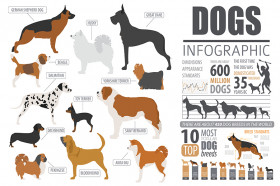
People have created many dog breeds over time. Each breed was developed for specific tasks or companionship. This diversity results in the wide variety of dogs we see today.
The history of dog breeds is a fascinating tale of evolution, adaptation, and human influence. From the earliest days of domestication to the targeted breeding practices of ancient civilizations, humans and dogs have shared a unique bond. This connection has led to the incredible diversity of dog breeds we see today, each with its own distinct characteristics and purposes.
Early Domestication
The story of dog breeds begins thousands of years ago when wolves first began to associate with humans. Imagine a time when early humans shared their food scraps with curious wolves, leading to a mutually beneficial relationship. Over time, those wolves that were less fearful and more social found a place alongside humans. These early companions were not yet the diverse breeds we know today. They were simply wolves that had adapted to life with humans, forming the foundation for future breeds. The process of domestication was gradual, spanning centuries, and it set the stage for the wide variety of breeds that would later emerge.
Ancient Breeding Practices
As civilizations grew, so did the desire for dogs with specific traits. Ancient Egyptians, for instance, valued dogs for hunting and guarding, leading them to selectively breed for these traits. Similarly, Romans developed breeds for herding livestock and guarding their homes. Breeding practices were not just about functionality. In some cultures, dogs became symbols of status and wealth. The Chinese Imperial Palace, for example, cherished the Pekingese for its lion-like appearance, and it was strictly reserved for royalty. Throughout history, breeding practices have been driven by practical needs and cultural preferences. This intentional selection for desired traits is what shaped the many unique breeds we recognize today. It’s intriguing to think about how these ancient decisions continue to influence the dogs we love and care for in our homes. Have you ever wondered how your own dog's ancestors might have lived? The history of dog breeds offers a glimpse into their past and helps us appreciate the incredible journey from wild wolves to beloved companions.
Credit: www.wonderopolis.org
Role Of Selective Breeding
Have you ever wondered why there are so many dog breeds around the world? It's fascinating, isn't it? The answer lies in the role of selective breeding—a practice that has shaped the canine world for centuries. Selective breeding is like a puzzle, where each piece represents a specific trait or characteristic that breeders aim to enhance. By carefully choosing which dogs to pair, breeders have been able to create new breeds with unique attributes. This meticulous process is responsible for the incredible variety of dog breeds you see today. Let's explore how selective breeding has influenced the traits and purposes of our beloved furry friends.
Traits And Characteristics
Selective breeding focuses on enhancing specific traits and characteristics in dogs. You might be surprised to learn that even the size of a dog's ears can be a result of this breeding practice. Breeders might aim for a dog with a certain coat type, temperament, or agility. These traits are carefully selected to meet the needs or preferences of humans. Take the Labrador Retriever, for instance. Its friendly demeanor and intelligence make it a popular choice for families and service roles. What traits do you value in a dog? Think about how selective breeding has made those possible.
Purposeful Breeding
Purposeful breeding isn't just about aesthetics; it's about fulfilling specific roles. Some breeds were developed for hunting, herding, or guarding. When you see a Border Collie effortlessly rounding up sheep, that's purposeful breeding at work. Breeders have historically selected dogs with skills suited to particular tasks. The Greyhound's speed, for example, makes it a natural for racing. Imagine a world where each breed serves a unique purpose. How does your dog's breed fulfill a role in your life?
As you consider the vast array of dog breeds, remember the role of selective breeding has been pivotal. Each breed tells a story of human needs, desires, and ingenuity. Next time you observe a dog's behavior or appearance, think about the centuries of careful selection that brought it to life. What story does your dog's breed tell?
Influence Of Geography
Geography plays a big role in the variety of dog breeds. Different climates and terrains influenced the traits needed for survival. Over time, these needs shaped the diverse breeds we see today.
Understanding the vast diversity of dog breeds can often lead us to the question: How did geography play a role in this fascinating variety? The influence of geography is a significant factor that has shaped the evolution of different dog breeds over time. Climate and regional variations have contributed to specific adaptations, leading to the unique characteristics we see in dogs today. Let’s dive deeper into how geography has impacted the development of these beloved companions.
Climate Adaptations
Climate greatly influences the physical traits of dog breeds. In colder regions, dogs developed thicker fur to protect against freezing temperatures. Think about the majestic Siberian Husky with its dense double coat, perfect for the snowy terrains of Siberia. On the other hand, breeds from warmer climates, like the Basenji from Africa, tend to have shorter coats. This is an adaptation to keep cool in the heat. The variation in coats among dog breeds is a direct response to their geographical origins. Have you ever noticed how some dogs have distinctive ear shapes? This, too, is often a climatic adaptation. Breeds in cold climates usually have smaller ears to minimize frostbite risk, whereas dogs from warmer regions may have larger ears for better heat dissipation.
Regional Variations
Geography doesn’t just affect climate; it also impacts the lifestyle and needs of different regions, which influences dog breeds. In mountainous areas, you find breeds like the Bernese Mountain Dog, equipped with strength and endurance to work on rugged terrains. Coastal regions often have breeds that excel in swimming, such as the Portuguese Water Dog, originally bred to assist fishermen. These dogs are known for their webbed feet, a unique feature that helps them navigate through water efficiently. In urban areas, smaller breeds like the French Bulldog became popular due to the space constraints of city living. Their compact size makes them ideal companions for those living in apartments. Have you ever wondered if your dog's quirks and features are linked to their geographical heritage? Understanding these connections can deepen your appreciation for your furry friend’s unique traits.
Cultural Impact
Dog breeds have always held a special place in human societies. The cultural impact of diverse dog breeds is vast and significant. Different breeds carry unique stories and histories. They reflect the values and lifestyles of various cultures. This section explores why certain breeds become popular and their cultural significance.
Breed Popularity
Popularity of dog breeds varies across the world. Some breeds are adored for their looks. Others are favored for their skills or temperament. In some places, small dogs are more popular. They fit well in urban environments. In rural areas, larger breeds often take the spotlight. They assist with farming and protection.
Media also influences breed popularity. Movies and TV shows can make certain breeds famous. People want dogs that resemble their favorite on-screen characters. Social media, too, plays a role. Viral photos and videos make some breeds trendy overnight.
Cultural Significance
Dog breeds often carry deep cultural meanings. In ancient Egypt, greyhounds were seen as noble. They were companions of royalty. In China, the Pekingese was a sacred breed. Only the imperial family owned them. In the Americas, the Chihuahua is cherished. It represents the vibrant culture of Mexico.
Some breeds symbolize bravery and loyalty. The German Shepherd, for instance, is known for its work with police. The Akita, from Japan, symbolizes faithfulness. Stories and legends about these breeds highlight their cultural importance. They are not just pets. They are part of the heritage.
Modern Breeding Trends
Modern dog breeding trends are shaping the future of canine diversity. The desire for unique characteristics drives breeders to create new breeds. These trends have introduced various designer breeds, mixing traits for specific purposes. Breeders focus on health and ethics, ensuring well-being and responsible practices.
Designer Breeds
Designer breeds are a blend of two or more established breeds. They aim to combine desirable traits from different dogs. For example, the Labradoodle mixes the Labrador and Poodle. It offers a friendly nature and hypoallergenic coat. People choose designer breeds for their unique features and temperament.
These breeds are often marketed for specific traits. Families may prefer them for companionship or allergy-friendly coats. The popularity of designer breeds continues to grow. This trend reflects the desire for dogs with customized characteristics.
Health And Ethics
Health and ethics are crucial in modern breeding. Responsible breeders prioritize the well-being of dogs. They avoid practices that harm the dog's health. Genetic screening is often used to prevent hereditary diseases. This ensures healthier puppies and reduces health risks.
Ethical breeding also considers the dog's quality of life. Breeders focus on providing a safe environment. They ensure dogs are treated with care and respect. These practices contribute to the sustainability of dog breeding. Ethical breeding promotes the welfare of dogs and responsible ownership.
Credit: www.caninecommander.com
Fascination With Diversity
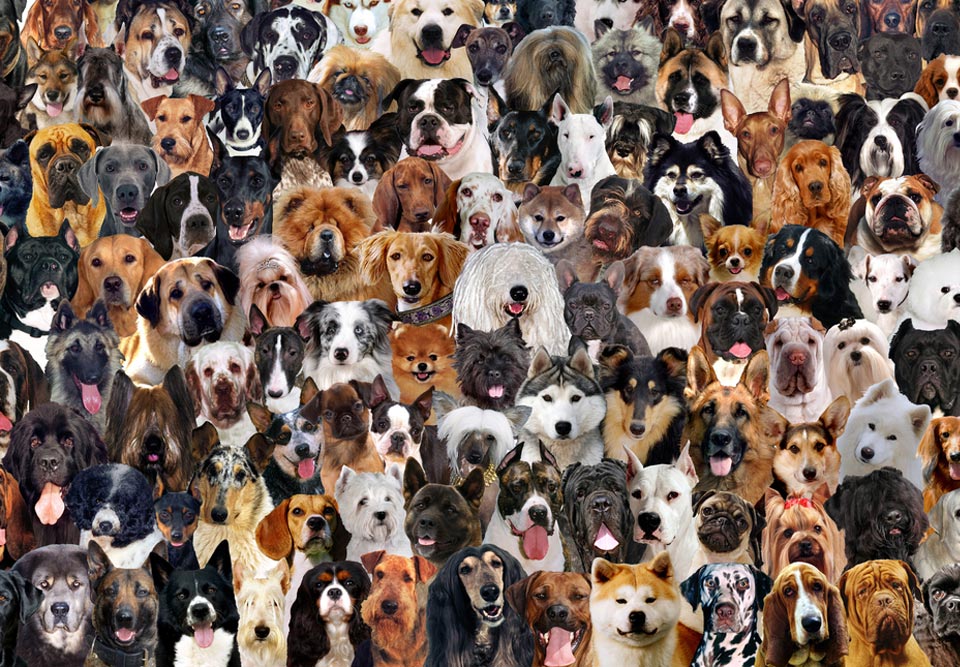
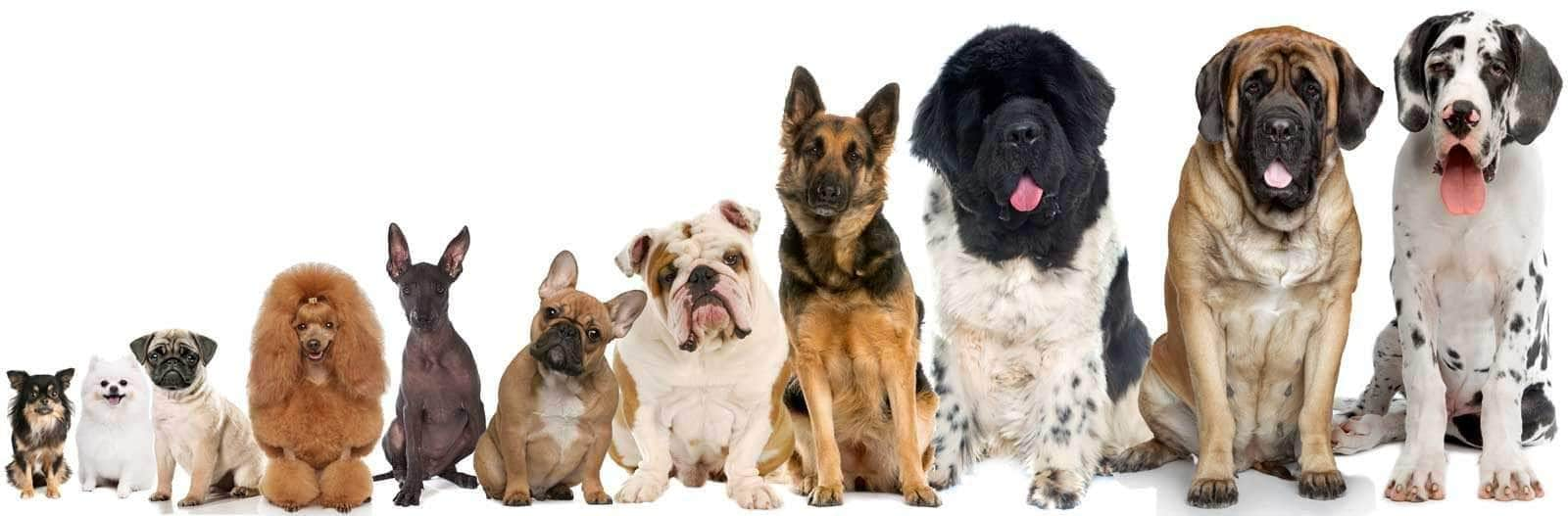
Dog breeds fascinate us with their incredible diversity. From tiny Chihuahuas to giant Great Danes, each breed offers unique traits and characteristics. This diversity in dogs reflects human preferences and needs. The variety of breeds allows people to choose dogs that match their lifestyle, personality, and requirements. This fascination with diversity has led to the development and popularity of numerous dog breeds worldwide.
Aesthetic Appeal
People often choose dogs based on looks. Some prefer fluffy coats or bright eyes. Others like sleek bodies or unique markings. Different breeds offer a wide range of aesthetic options. A dog's appearance can reflect its owner's taste and style. This appeal contributes to the popularity of diverse dog breeds.
Companionship Needs
Different breeds offer various companionship qualities. Some dogs are energetic and playful. Others are calm and gentle. Each breed has specific traits suited for different lifestyles. Families might choose a friendly Labrador. Busy individuals might prefer a low-maintenance Bulldog. These varied needs drive the desire for diverse dog breeds.
Credit: theblissfuldog.com
Frequently Asked Questions
Why Are There So Many Dog Breeds?
There are many dog breeds due to selective breeding. Humans have bred dogs for specific traits like size, temperament, and skills. This has led to a wide variety of breeds, each suited to different roles and environments. The diversity in dog breeds reflects their adaptability and usefulness throughout history.
How Do Dog Breeds Differ Genetically?
Dog breeds differ genetically due to selective breeding over generations. Breeders chose specific traits to enhance, resulting in distinct genetic variations among breeds. These genetic differences contribute to their unique appearances, behaviors, and health characteristics. Understanding these genetic variations helps in maintaining breed standards and addressing breed-specific health issues.
What Factors Influence Dog Breed Development?
Dog breed development is influenced by human needs and environmental factors. Humans bred dogs for specific roles like hunting, herding, and guarding. Environmental conditions also shaped breeds, as they adapted to various climates and terrains. This combination of human intervention and natural adaptation led to the diversity of breeds we see today.
Are Mixed-breed Dogs Healthier Than Purebreds?
Mixed-breed dogs often have genetic diversity that may lead to fewer hereditary health issues. Purebred dogs, bred for specific traits, can inherit certain genetic disorders. Mixed breeds benefit from a broader gene pool, potentially resulting in better overall health. However, health can vary widely among individual dogs, regardless of breed.
Conclusion
Dog breeds are diverse for many reasons. Humans have influenced their evolution. Each breed serves a unique purpose. Some are companions, others work or hunt. Breeding practices shape their traits. Size, temperament, and abilities vary greatly. Cultural factors also play a role.
Different regions favor different breeds. Preferences change over time, creating new breeds. Modern science continues to impact breeding. Understanding the history of dog breeds enriches our connection with them. These loyal friends come in all shapes and sizes. Choosing the right breed enhances the bond.
Dogs truly are our diverse and cherished companions.