Have you ever wondered Raw Food Diet for Dogs what goes into your dog's bowl? The choices you make for your furry friend's diet can shape their health, happiness, and even their lifespan.
If you're searching for the best way to nourish your pet, you're not alone. Many dog owners are discovering the benefits of a raw food diet for their beloved companions. But why is this diet gaining so much attention? What makes it different from the kibble you see on store shelves?
By understanding the reasons behind this nutritional choice, you can make informed decisions that could transform your dog's life. Keep reading to uncover why the raw food diet might just be the game-changer you've been looking for.
Credit: dogsfirst.ie
Understanding Raw Food Diet
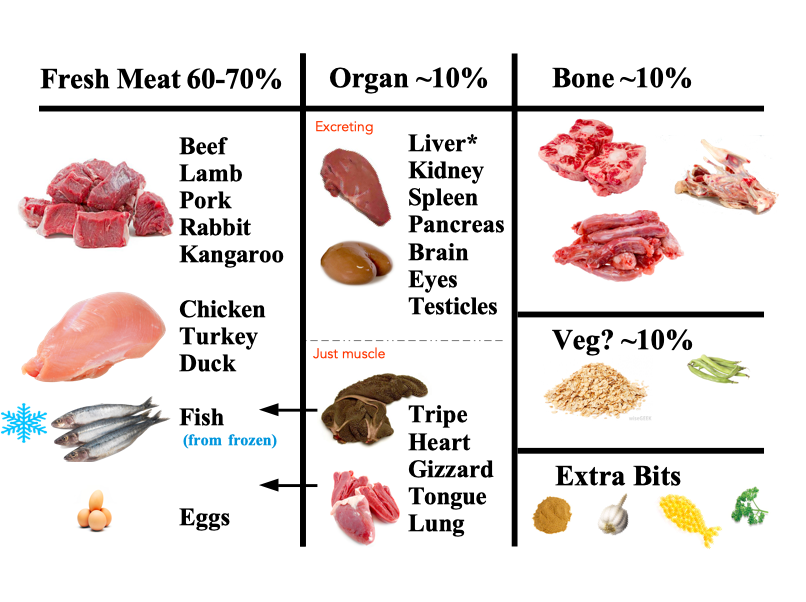
Raw food diets for dogs are gaining attention among pet owners. Many believe it mimics the natural diet of wild canines. This diet comprises uncooked ingredients, promoting natural nutrition. Understanding the raw food diet is crucial for your dog's health. It involves feeding raw meat, bones, and vegetables. Let's dive deeper into its components and types.
Components Of Raw Food
The raw food diet includes several essential ingredients. Raw meat is the primary component. It offers proteins and nutrients vital for dogs. Bones provide calcium and phosphorus. They help maintain strong teeth and bones. Raw vegetables and fruits supply vitamins and fiber. Organ meats like liver are rich in essential vitamins. Eggs and dairy can also be part of the diet. They add proteins and fats.
Types Of Raw Diets For Dogs
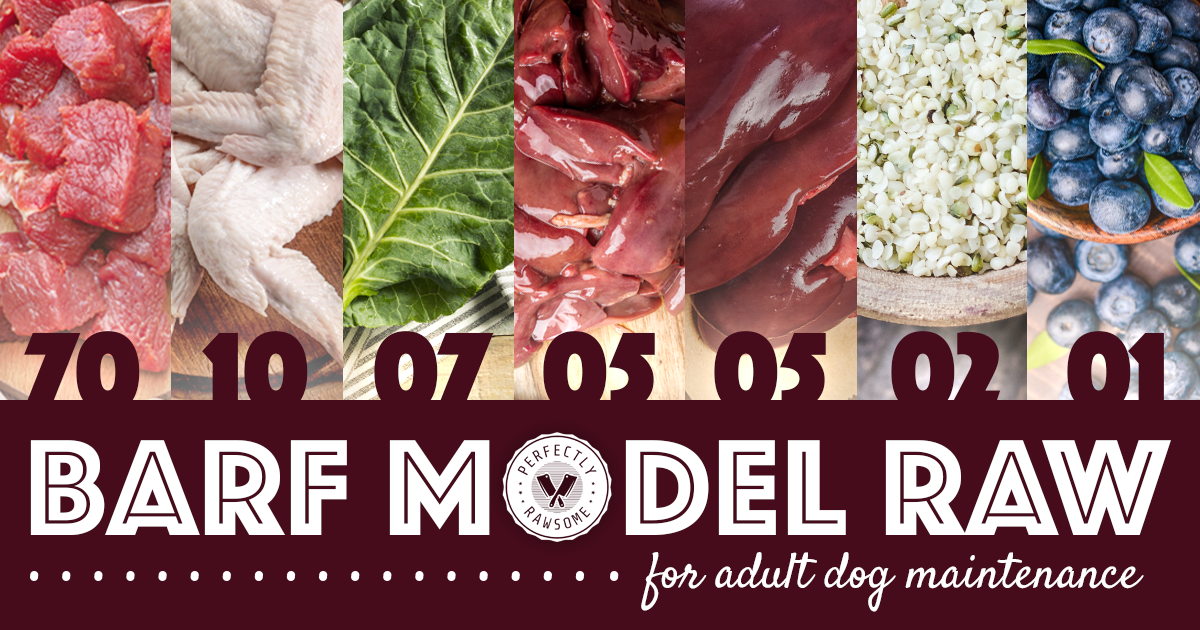
There are various types of raw diets for dogs. The BARF diet is popular. It stands for Biologically Appropriate Raw Food. It includes raw meat, bones, and vegetables. Another type is the Prey Model Raw diet. This mimics a whole prey animal. It focuses on muscle meat, organs, and bones. Commercial raw diets are available too. They are pre-packaged and ready to serve. They often include balanced nutrients.
Benefits Of Raw Food Diet
Dogs thrive on raw food diets, enjoying improved digestion and shinier coats. Fresh ingredients support dental health and boost energy. This natural diet can enhance overall well-being, offering essential nutrients without additives.
Considering a raw food diet for your dog can be a game-changer. The benefits are numerous and can significantly improve your dog's quality of life. If you've been wondering whether this diet is right for your furry friend, this section will shed light on the potential advantages.
Improved Digestion
One of the standout benefits of a raw food diet is improved digestion. Many dog owners notice their pets experience less bloating and fewer digestive issues. A friend of mine switched her dog to a raw diet and saw a reduction in stomach upsets almost immediately. Raw food is closer to what dogs would eat in the wild. It’s easier on their stomachs and can lead to smaller, more consistent stools. Have you ever noticed how some commercial foods can lead to digestive distress in your pet?
Enhanced Coat And Skin Health
A raw food diet can contribute to a shinier coat and healthier skin. Dogs on this diet often show reduced shedding and fewer skin irritations. My Labrador, Max, had persistent dry skin issues that vanished after a few weeks on raw food. The natural oils in raw meats and bones nourish your dog's skin from the inside out. This leads to a noticeable improvement in the texture and shine of their coat. Wouldn't you love to see your dog's coat gleam like never before?
Increased Energy Levels
Dogs on a raw food diet often exhibit higher energy levels. You might find your dog more playful and eager to engage in activities. A colleague's senior dog regained its youthful vigor after transitioning to raw meals. The nutrient-rich, unprocessed nature of raw food provides dogs with sustained energy. This can make walks more enjoyable and playtime more vibrant. Could your dog benefit from a little extra pep in their step? Switching to a raw food diet can bring about remarkable changes in your dog's health and happiness. So, have you considered giving your dog the raw advantage?
Potential Risks And Considerations
Feeding dogs a raw food diet might carry risks such as bacterial contamination. Nutrient imbalances could also occur, affecting your dog's health. Careful consideration and consultation with a vet are essential before making dietary changes.
When considering a raw food diet for your dog, it's crucial to weigh the potential risks and considerations. While many pet owners are drawn to the natural approach, it's essential to delve into the details. This ensures your furry friend remains healthy and happy.
Nutritional Imbalance
A raw food diet can sometimes lead to nutritional imbalance. Dogs require a specific balance of vitamins, minerals, and proteins to thrive. If not carefully planned, a raw diet might lack essential nutrients. Many owners, eager to do right by their pets, might miss out on vital components. Have you checked if your dog's diet meets all their nutritional needs? Consulting a veterinarian can help tailor a diet plan that ticks all the boxes.
Bacterial Contamination
Raw food diets carry a risk of bacterial contamination. Handling raw meats can introduce harmful bacteria like Salmonella or E. coli into your home. This is a concern not just for your dog, but also for you and your family. Are you prepared to handle raw food safely? Rigorous hygiene practices, such as washing hands and surfaces, are essential. Always store raw food at the correct temperatures to minimize risks.
Cost Implications
Have you considered the cost implications of a raw food diet? Preparing balanced raw meals can be more expensive than traditional dog foods. High-quality meats and supplements add up quickly. Budgeting is important, especially if you're feeding a larger breed. Are you ready to invest in your dog's health this way? It might be worth it, but it's something to plan for. Making informed decisions ensures your dog enjoys the benefits of a raw food diet while minimizing risks. Always stay informed and consult with professionals to make the best choices for your pet.
Transitioning To Raw Food Diet
Choosing a raw food diet for dogs offers numerous health benefits. It promotes shinier coats, better digestion, and increased energy levels. Feeding dogs raw food aligns with their natural instincts and nutritional needs.
Transitioning your dog to a raw food diet can be a rewarding journey, but it's important to approach it with care. By making the switch gradually, you'll help your furry friend adjust better to their new diet. Let's explore practical steps to ensure a smooth transition.
Gradual Introduction
Start by mixing a small amount of raw food with your dog's current diet. Think of it as adding a new topping to their regular meal. Over the course of a week, gradually increase the raw portion while decreasing their previous food. Keep an eye on your dog’s appetite and energy levels. Are they excited about their meals? A gradual shift helps prevent digestive upsets and gives their system time to adapt. Consider starting with raw chicken or turkey, which are generally well-tolerated. You could even try a small taste yourself to see how fresh it is. Wouldn't you want the best for your dog, just like you do for yourself?
Monitoring Your Dog's Health
Observe your dog's stools for any changes. This may be a bit unpleasant, but it's a reliable health indicator. Are they firm and easy to pick up? That's a good sign. Check your dog’s coat and skin. Is it shiny and healthy-looking? This can be a reflection of their overall well-being. Keep regular vet appointments to ensure all is well. Your veterinarian can provide insights you might miss. Are you noticing any changes in your dog’s behavior or energy levels? Don't hesitate to reach out for advice. Transitioning to a raw food diet is a process of trial and observation. Remember, every dog is unique. What works for one may not work for another. Have you tried different approaches? What results have you seen? By being attentive and patient, you can make the transition a positive experience for both you and your dog.
Expert Opinions And Studies
The raw food diet for dogs has sparked interest among pet owners. Experts have weighed in on its effectiveness and benefits. Studies continue to shed light on this dietary choice. This section explores expert opinions and scientific research about the raw food diet for dogs.
Veterinarian Insights
Many veterinarians share varied opinions about raw food diets for dogs. Some believe raw diets offer nutritional benefits. They argue it mirrors a dog’s natural eating habits. Supporters claim it can lead to shinier coats and better digestion.
Other veterinarians express concerns about potential health risks. They worry about bacterial contamination in raw meat. This could pose a risk to both dogs and their owners. They recommend consulting a vet before switching diets.
Research Findings
Studies provide mixed results on raw food diets. Some research suggests improved dental health in dogs. Raw diets may reduce plaque build-up. Other studies highlight potential dangers of nutrient imbalance.
Research also points to potential digestive benefits. Some dogs show increased energy levels on raw diets. Yet, some studies raise concerns about long-term effects. More research is needed to fully understand the impacts.
Credit: perfectlyrawsome.com
Tips For Preparing Raw Food
Preparing raw food for your dog can be rewarding and beneficial. It requires careful planning and execution. This section will guide you on how to prepare raw food safely and effectively.
Safe Handling Practices
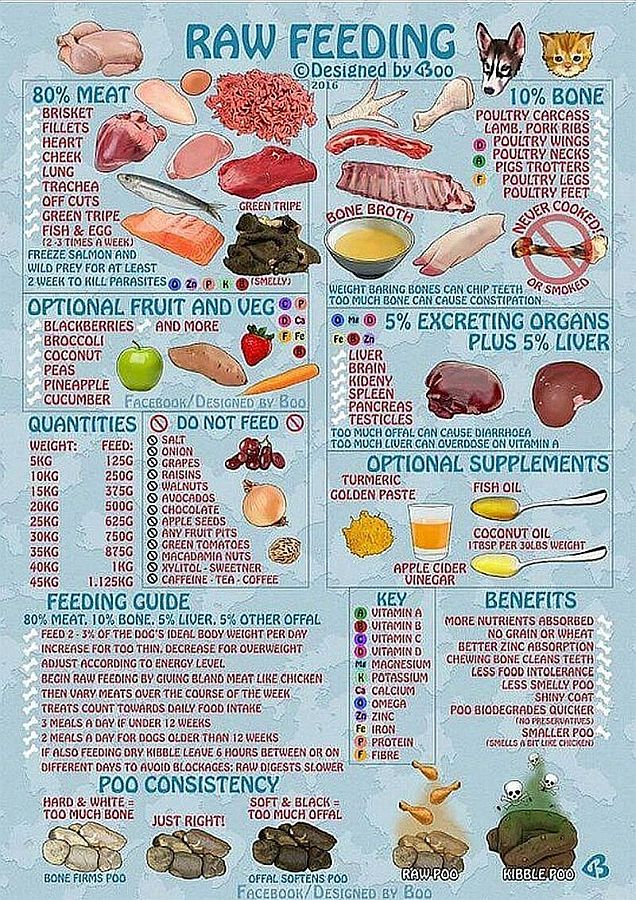
Always wash your hands before and after handling raw meat. Clean all surfaces and utensils used in preparation. Store raw meat in the fridge or freezer. Use separate cutting boards for raw meat and other foods.
Thaw meat in the fridge to avoid bacterial growth. Never leave raw food out for long periods. Keep bowls and feeding areas clean to prevent contamination.
Balancing The Diet
Include a variety of proteins like chicken, beef, and fish. Add organ meats for essential nutrients. Incorporate fruits and vegetables for fiber and vitamins.
Consult with a vet to ensure a balanced diet. Provide supplements if needed to meet nutritional requirements. Monitor your dog's health and adjust the diet as needed.
Credit: epi4dogs.com
Frequently Asked Questions
What Is A Raw Food Diet For Dogs?
A raw food diet consists of uncooked meat, bones, fruits, and vegetables. It aims to mimic what dogs might eat in the wild. Advocates believe it can improve coat health, energy levels, and digestion. However, it requires careful planning to ensure nutritional balance and may not suit every dog.
Are There Benefits To A Raw Food Diet?
Many owners report improved energy levels and better coat condition with a raw food diet. It can enhance digestion and dental health due to natural chewing. However, benefits depend on individual dogs and require proper nutritional balance to avoid deficiencies.
Is A Raw Food Diet Safe For Dogs?
Safety depends on proper handling and preparation to avoid contamination. A raw food diet must be balanced to ensure dogs receive essential nutrients. Consulting with a veterinarian or pet nutritionist can ensure the diet meets your dog's health needs and lifestyle.
How Do I Start A Raw Food Diet?
Begin by researching and planning a balanced diet with essential nutrients. Introduce raw food gradually to monitor your dog's reaction. Consulting with a vet or pet nutritionist can help customize the diet for your dog's specific needs and health conditions.
Conclusion
A raw food diet can benefit your dog's health. It supports strong teeth and shiny coats. Dogs may have more energy and better digestion. This diet mimics what their ancestors ate. Fresh ingredients offer essential nutrients. Always consult a vet before changing diets.
A balanced approach is key. Monitor your dog's reaction to new foods. Keep portions suitable for their size. Your dog's well-being comes first. Make informed choices for their diet. A healthy dog is a happy dog. Consider their needs and lifestyle.
Each dog is unique. Tailor their diet for best results.