

Have you ever wondered how often your furry friend needs a grooming session? You're not alone.
Keeping your dog well-groomed isn't just about looks; it's essential for their health and happiness. The right grooming schedule can prevent skin issues, reduce shedding, and even improve their mood. But how do you know what's best for your dog?
By understanding the factors that influence grooming needs, you can ensure your pet stays clean and comfortable. Dive into this article to discover the secrets to a perfect grooming routine for your canine companion. Your dog's well-being could depend on it!
Factors Affecting Grooming Frequency
Dog grooming frequency depends on several factors like breed, coat type, and lifestyle. Long-haired breeds need more grooming. Active dogs may require baths more often.
Understanding how often your dog should be groomed can make a huge difference in their comfort and health. Not all dogs have the same grooming needs, and several factors influence how frequently you should schedule these sessions. Knowing these factors will help you make informed choices for your furry friend.
Breed Specific Needs
Different breeds have unique grooming requirements. A poodle, for instance, often needs more frequent grooming compared to a beagle. While some breeds have coats that require daily attention, others can go weeks without needing a professional groom. Some breeds are prone to matting or shedding, which can be managed with regular grooming. Have you ever noticed how a golden retriever’s fur seems to be everywhere during shedding season? Regular brushing and grooming can save you from constantly vacuuming your home. Not sure where your dog fits in? Check with your vet or a local groomer to understand your breed's specific needs.
Coat Type And Length
The type and length of your dog's coat play a significant role in determining grooming frequency. Short-haired dogs like dachshunds generally need less grooming than long-haired breeds like Shih Tzus. A long, thick coat can easily hide dirt and ticks, necessitating more frequent grooming sessions. On the other hand, dogs with short coats may only need a quick brush to stay tidy and clean. Think about how your dog's coat feels. Is it coarse or silky? Each texture has its own care requirements, and understanding them will keep your dog happier and healthier.
Activity Level
How active is your dog? A dog that spends a lot of time outdoors will likely need more grooming than one who lounges indoors. Dirt, debris, and even pests are more likely to hitch a ride on an active pup. If your dog loves rolling in the mud or playing in the park, more frequent baths and brushing might be necessary. But what if your dog prefers the couch to the backyard? You might find that less frequent grooming suffices. Think about your dog's daily routine. Does it include outdoor adventures or indoor snuggles? Adjust your grooming schedule accordingly to keep your pet comfortable and clean. By considering these factors, you can tailor a grooming schedule that suits your dog's unique needs. Remember, a well-groomed dog is not only more pleasant to cuddle but also healthier and happier.

Credit: www.pinterest.com
Seasonal Grooming Considerations
Understanding the grooming needs of your dog through the seasons is vital. Each season brings unique challenges and opportunities for your dog's coat. Adjust grooming schedules to suit changing weather conditions. This ensures your pet remains comfortable and healthy all year round.
Winter Grooming Tips
Winter can make your dog's coat dry and brittle. Regular brushing helps distribute natural oils. This keeps the coat moisturized and healthy. Use a hydrating shampoo to combat dryness. Trimming the fur around paws prevents ice clumps. Check the skin frequently for signs of irritation. This avoids potential infections from cold weather.
Summer Grooming Strategies
Summer heat can be tough on dogs. Consider a shorter cut for breeds with dense fur. This keeps them cool and comfortable. Regular baths help remove sweat and dirt. Use a gentle, cooling shampoo for extra relief. Check for ticks and fleas more often. They thrive in warm weather.
Keep their coat clean and free from debris. This reduces the risk of overheating. Remember, hydration is crucial during summer. Ensure your dog always has access to fresh water.
Signs Your Dog Needs Grooming
Notice your dog scratching more? This could be a sign they need grooming. Regular grooming keeps your dog comfortable and healthy.
Caring for your dog involves more than just feeding and exercise. Regular grooming is crucial for their health and well-being. But how do you know when it's time for a grooming session? Keep an eye on these common signs that your dog may need some grooming attention.
Visible Matted Fur
Matted fur is more than just an eyesore. It can cause discomfort and even skin infections for your dog. Regular brushing can prevent mats, but if you spot tangled clumps, it's time for a professional groomer. I learned this the hard way when my dog's coat turned into a mess of knots after skipping a few grooming appointments. It was a reminder that consistent grooming is not just about looks but also health.
Excessive Shedding
Shedding is normal, but when you notice fur all over your house, it's a cue for grooming. A good grooming session can help manage shedding by removing loose hair before it falls out. If you're constantly vacuuming or finding tufts of fur on your furniture, consider scheduling a grooming session. Wouldn't it be nice to cut down on cleaning time?
Odor And Dirt
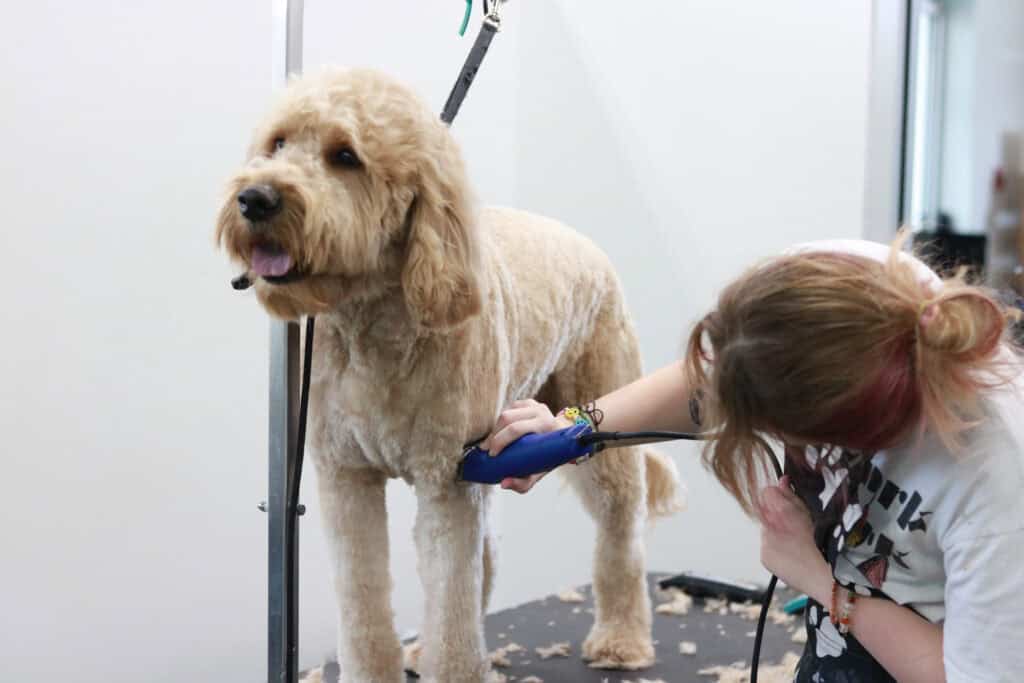
A foul smell or visible dirt on your dog's coat is a clear sign they need grooming. Dogs love to explore, which often leads them to roll in things that aren't pleasant. A thorough bath can remove dirt and odor, leaving your dog fresh and clean. If your dog's scent is more noticeable than usual, it might be time to book a grooming appointment. Grooming isn't just about maintaining appearances; it's essential for your dog's comfort and health. How often do you groom your dog, and have you noticed any of these signs? Share your experiences and see if others have faced similar issues.
Credit: www.petropolis.com
Professional Grooming Vs. At-home Care
Dog grooming frequency depends on breed, coat type, and lifestyle. Professional grooming every 4-8 weeks ensures thorough care. At-home grooming maintains cleanliness in between visits.
Deciding between professional grooming and at-home care for your dog can be a head-scratcher. Both options come with their unique set of benefits and challenges. Whether you prefer the expertise of a professional or the hands-on approach of DIY, understanding the differences can help you make the best choice for your furry friend’s grooming routine.
Benefits Of Professional Services
Professional groomers bring a level of expertise that’s hard to match. They are trained to handle dogs of all sizes and temperaments, ensuring a safe and stress-free experience. Many groomers offer additional services like nail trimming, ear cleaning, and teeth brushing. These can be tricky to do at home without proper knowledge or tools. If your dog has a specific breed cut, a professional can ensure it’s styled correctly. This not only keeps your pet looking sharp but also helps maintain their coat's health and functionality.
Diy Grooming Tips
Grooming your dog at home can be rewarding and cost-effective. Start with the basics like brushing, which keeps your dog’s coat healthy and reduces shedding. Invest in quality tools, like a good brush and pet-friendly shampoo. These make the process smoother and more enjoyable for both you and your dog. Create a routine that suits your dog's needs. Some dogs might need weekly baths, while others require less frequent grooming. Observe how your dog responds and adjust accordingly. Have you ever wondered if your dog enjoys grooming as a bonding time? Observing their behavior during grooming sessions can give you insights into their preferences. Finding the right balance between professional grooming and at-home care can enhance your dog’s well-being and your relationship. Whether you opt for regular trips to the groomer or become a DIY grooming pro, understanding what works for your pet is key.
Grooming Schedule Recommendations
Determining the ideal grooming schedule for your dog depends on their breed, coat type, and lifestyle. Short-haired breeds might need grooming every two months, while long-haired breeds often require monthly sessions. Regular grooming helps maintain your dog's health and appearance.
Ensuring your dog is groomed regularly is crucial for their health and happiness. But how often should you really groom your furry friend? The answer depends on your dog's breed, coat type, and lifestyle. Creating a grooming schedule can help you stay on top of your pet's needs and prevent any unpleasant surprises. Let's break it down into manageable tasks.
Weekly Maintenance Tasks
Short, consistent grooming sessions each week can make a big difference. During a recent grooming session with my Golden Retriever, I noticed how much easier it was to manage her shedding with weekly brushing. Brush your dog's coat to remove loose hair and prevent tangles. Check their ears for wax build-up or signs of infection and clean them gently. Don't forget to trim their nails if necessary. These quick tasks can be done while watching your favorite show or listening to a podcast. Do you already have a routine that works?
Monthly Grooming Tasks
Once a month, focus on more thorough grooming tasks. A friend of mine, who owns a Poodle, sets aside a weekend each month to give her dog a full bath and haircut. Bathing your dog with a gentle shampoo helps maintain a clean coat and skin. Some breeds might need a professional grooming session for a haircut, especially if their fur grows quickly. Taking care of teeth brushing is also essential to prevent dental issues. Have you tried scheduling these tasks in your calendar? It can be a game-changer! By breaking down grooming into weekly and monthly tasks, you make it more manageable and less overwhelming. Your dog will appreciate the regular attention, and you'll enjoy a clean, happy pet.
Health Benefits Of Regular Grooming
Regular grooming keeps your dog healthy and happy. It reduces shedding and prevents skin problems. Short-haired breeds need grooming every 4-6 weeks, while long-haired breeds may require it more frequently.
Regular grooming is more than just keeping your dog looking neat and tidy. It plays a vital role in maintaining their overall health. When you groom your dog regularly, you’re not only enhancing their appearance but also boosting their well-being. Let's dive into how grooming impacts your dog’s health.
Skin And Coat Health
Grooming helps to keep your dog’s skin and coat in prime condition. Brushing removes dirt and dead hair, allowing natural oils to spread evenly. These oils are essential for a shiny, healthy coat. Plus, regular baths can prevent skin irritations and infections. You might notice your dog feeling more comfortable and less itchy. A friend of mine once shared how her dog's coat transformed after she started grooming him weekly. His fur became softer and more vibrant, and he stopped scratching incessantly. This simple routine made a remarkable difference in his comfort and appearance.
Early Detection Of Health Issues
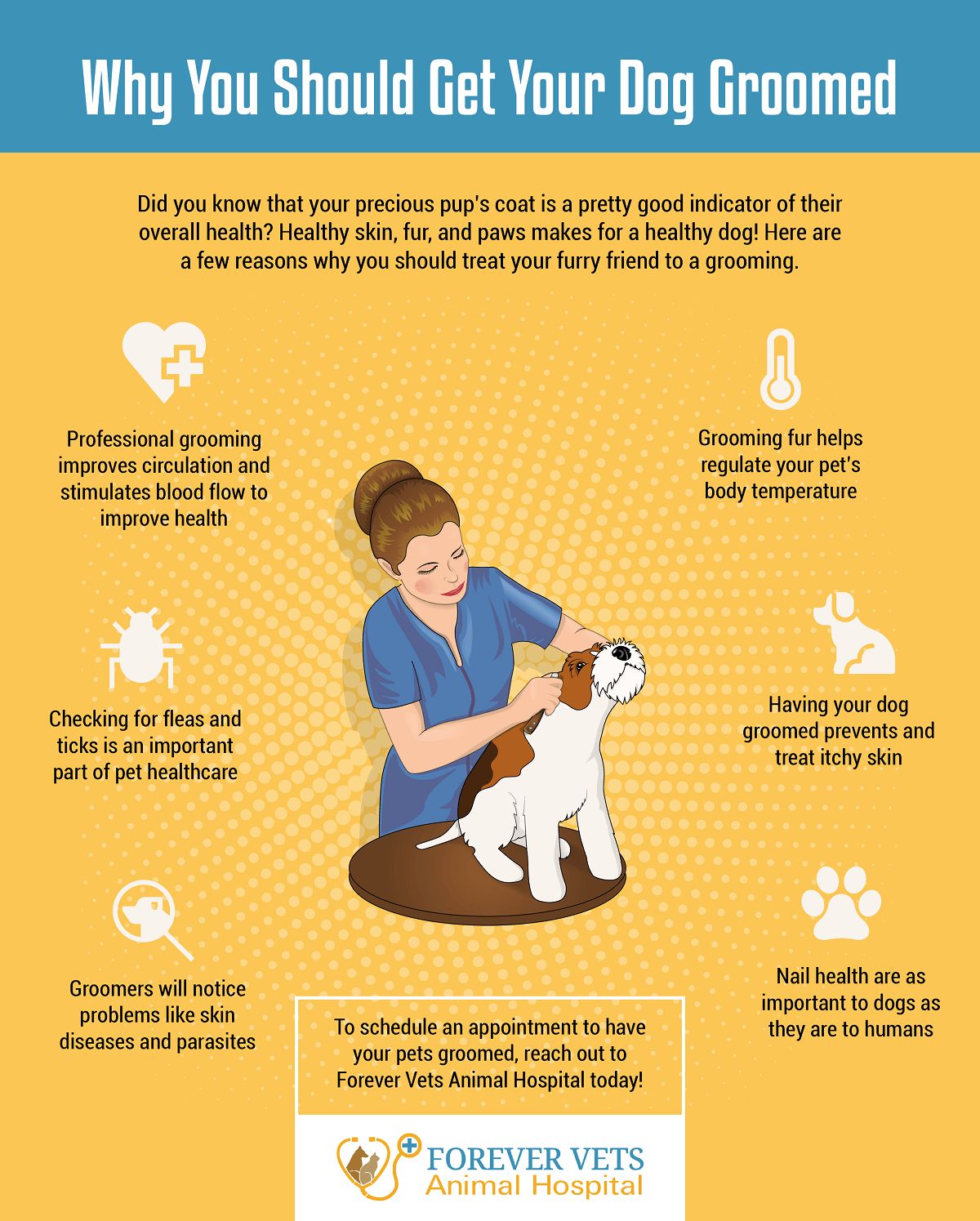
Grooming sessions are an opportunity for you to spot potential health problems early. As you brush and bathe your dog, you can check for lumps, bumps, or signs of infection. These inspections can lead to early diagnosis of issues that might otherwise go unnoticed. Once, while grooming my dog, I noticed a small lump on her side. It turned out to be a benign cyst, but catching it early meant we could monitor it closely. Regular grooming not only keeps your dog clean but also allows you to be proactive about their health. Have you ever discovered something unusual while grooming your pet? It’s a chance to be an observant caregiver, catching signs that might not be evident during daily play. Grooming is a hands-on health check. You gain insight into your dog’s skin condition, coat quality, and overall health. Consider grooming as an essential part of your dog’s healthcare routine. It's not just about looks; it's about ensuring your furry friend lives a comfortable and healthy life.
Common Grooming Mistakes To Avoid
Grooming your dog is essential for their health and happiness. Many owners make mistakes that can harm their pet's coat and skin. Understanding these common pitfalls can help you avoid them and ensure a pleasant grooming experience.
Overwashing
Washing your dog too often can strip natural oils. These oils keep their skin moisturized and their coat shiny. Excessive washing can lead to dry skin. This might cause itching and discomfort. Aim to bathe your dog only as needed. Different breeds have different needs. Some dogs require baths every few months. Others might need them more often.
Improper Tool Use
Using the wrong grooming tools can harm your dog. Brushes and combs should match your dog's coat type. A slicker brush is great for long-haired breeds. Short-haired dogs need a bristle brush. Avoid using human shampoos. They can irritate your dog's skin. Always choose products made for dogs. Clippers need to be sharp and clean. Dull clippers can pull hair and hurt your dog.
Credit: forevervets.com
Frequently Asked Questions
How Often Should A Dog Be Groomed?
The frequency of grooming depends on your dog's breed, coat type, and lifestyle. Generally, dogs should be groomed every 4 to 8 weeks. Regular grooming helps maintain hygiene, reduces shedding, and prevents matting. Consult your groomer for a tailored grooming schedule based on your dog's specific needs.
Is Frequent Grooming Beneficial For Dogs?
Yes, frequent grooming offers several benefits for dogs. It helps to keep their skin healthy and prevents infections. Regular grooming also reduces shedding and keeps the coat clean. It strengthens the bond between you and your dog. Always ensure grooming is done correctly to avoid stress or discomfort.
What Are Signs My Dog Needs Grooming?
Common signs your dog needs grooming include a matted coat, excessive shedding, and a noticeable odor. You might also see dirt buildup in their fur or overgrown nails. Regular grooming prevents these issues and keeps your dog comfortable. Monitor your dog's appearance and consult a groomer if unsure.
Can Grooming Affect A Dog's Health?
Yes, grooming significantly affects a dog's health. It helps identify skin issues early, prevents infections, and maintains coat cleanliness. Grooming also supports joint health by managing nail length. Clean ears and eyes reduce the risk of infections. Always choose a professional groomer for safe practices.
Conclusion
Regular grooming keeps your dog healthy and clean. The frequency depends on the breed and coat type. Short-haired dogs need less grooming than long-haired ones. Always check for signs of matting or skin issues. A professional groomer can help determine the best schedule.
Regular brushing at home maintains coat health. It strengthens the bond between you and your pet. Keep your dog comfortable and happy with consistent care. With proper grooming, your dog will look and feel great. Remember, a clean dog is a happy dog.
Prioritize grooming in your pet care routine.


