You want the best for your furry friend, and when it comes to their diet, the options can be overwhelming. One trend that's catching the attention of many dog owners like you is raw dog food.
But is it really better for your dog? Imagine your pup with a glossy coat, boundless energy, and a happy tummy. This introduction to raw dog food promises just that, and you might wonder if it's the right choice for your beloved pet.
Dive into this article to uncover the secrets behind raw dog food and discover if it holds the key to unlocking the healthiest, happiest version of your dog. You owe it to your four-legged family member to find out!
Benefits Of Raw Dog Food
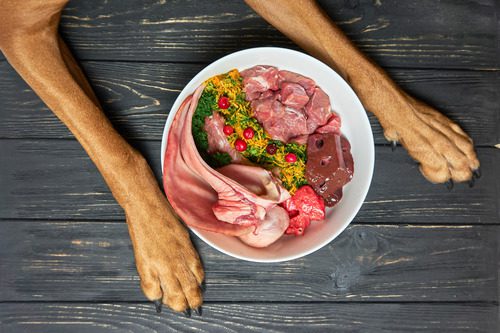
Raw dog food has become a popular choice among pet owners. Many believe it offers several benefits over traditional dog food. Raw diets often include fresh meat, bones, fruits, and vegetables. This natural approach can lead to various health improvements in dogs.
Nutritional Advantages
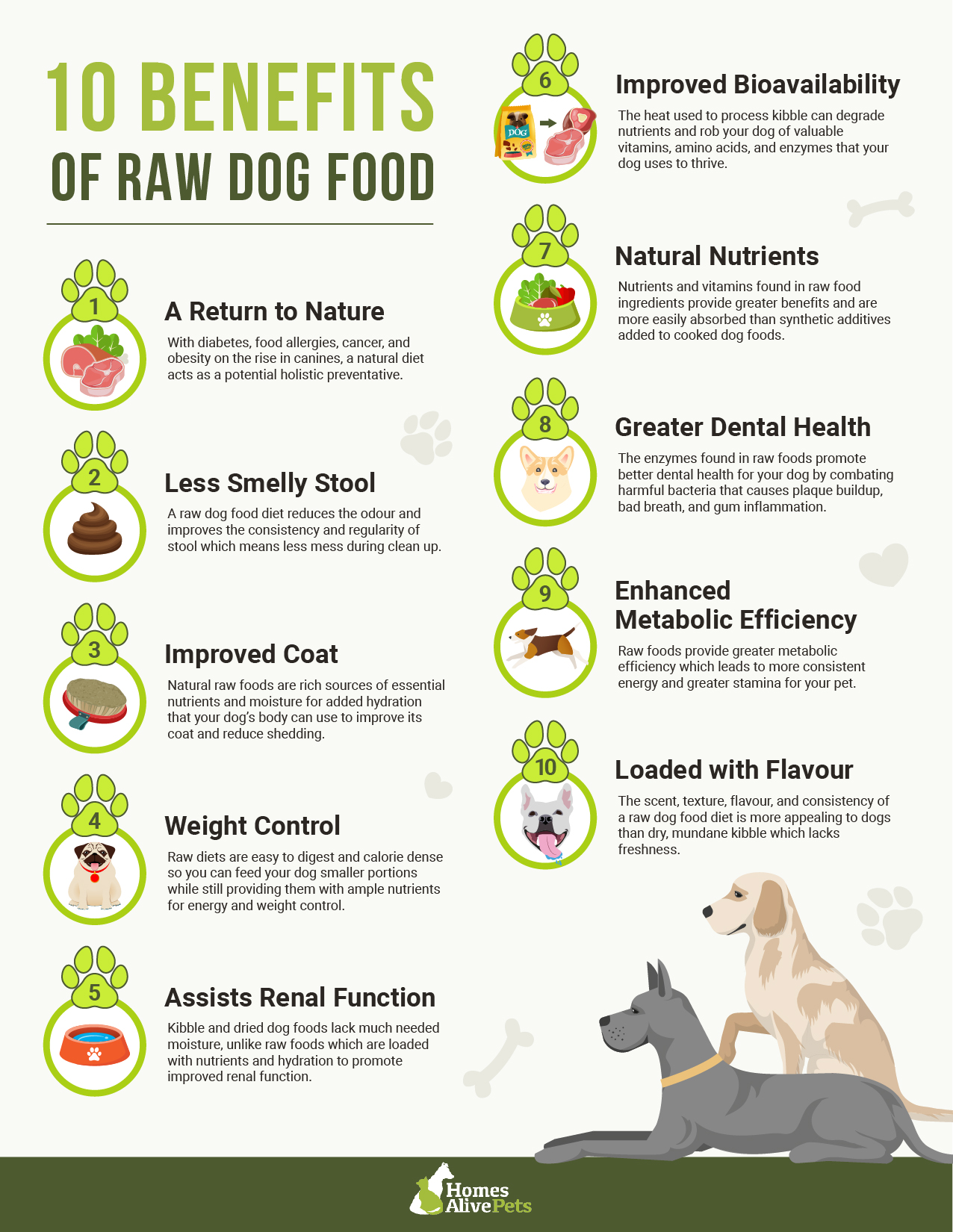
Raw dog food is rich in essential nutrients. It provides proteins, vitamins, and minerals in their natural form. These nutrients support overall health and vitality in dogs. Unlike processed foods, raw diets preserve the natural enzymes. This helps maintain the nutritional value of the ingredients.
Improved Digestion
Raw dog food often leads to better digestion. Dogs may experience fewer digestive issues like bloating and gas. The natural enzymes in raw food aid in breaking down food efficiently. This results in better nutrient absorption and less waste production. A healthier digestive system means a happier pet.
Shinier Coat And Healthier Skin
Many dog owners report shinier coats after switching to raw food. The high-quality fats in raw diets nourish the skin and fur. Essential fatty acids like omega-3s contribute to this improvement. Dogs with skin allergies may also see benefits. Raw food can reduce irritation and promote healing.
Credit: bestfriendsvet.org
Risks Of Feeding Raw Dog Food
Feeding raw dog food has its supporters and critics. While some claim benefits, risks also exist. Understanding these risks helps make informed decisions. Below, explore potential issues with raw dog food.
Potential For Bacterial Contamination
Raw meat can carry harmful bacteria. Salmonella and E. coli are common culprits. These can make dogs and humans sick. Handling raw food requires strict hygiene. Clean surfaces and wash hands thoroughly. This reduces contamination risk.
Nutritional Imbalance Concerns
Raw diets may lack essential nutrients. Dogs need a balanced diet for health. Missing nutrients can cause deficiencies. Over time, this affects growth and energy levels. Consulting a vet ensures a balanced diet for your dog.
Choking Hazards
Raw food often includes bones. Bones can break into sharp pieces. These may cause choking or internal injuries. Always supervise your dog while eating raw food. Consider safer alternatives to bones.
Commercial Vs Homemade Raw Diets
Choosing between commercial and homemade raw diets can be challenging. Each option offers distinct advantages and considerations. Commercial raw diets provide convenience and consistency. Homemade meals, on the other hand, offer control over ingredients. Both approaches aim to improve your dog's health. Understanding their differences helps in making an informed choice.
Quality Control In Commercial Products
Commercial raw diets undergo strict quality control processes. These processes ensure food safety and nutritional balance. Brands often source high-quality ingredients from trusted suppliers. Regular testing checks for harmful bacteria and pathogens. This reduces health risks for your pet. Consistent recipes guarantee balanced nutrition in every meal. Commercial options are regulated and meet pet food standards.
Preparing Homemade Meals Safely
Homemade raw diets require careful preparation. Safety is a top priority to avoid health issues. Use fresh, high-quality ingredients from reputable sources. Store raw meat separately to prevent cross-contamination. Follow guidelines for a balanced nutritional profile. Consult a veterinarian for advice on essential nutrients. Regularly update recipes to meet your dog's changing needs. Proper preparation ensures homemade meals are safe and nutritious.
Veterinary Opinions On Raw Diets
Experts debate if raw dog food benefits canine health. Some believe it enhances vitality and digestion. Others worry about potential bacteria risks.
Veterinary Opinions on Raw Diets Deciding on the best diet for your dog can be challenging, especially with mixed opinions about raw feeding. Many pet owners find themselves torn between traditional dog food and raw diets. What do veterinarians really think about this trend?
Support For Raw Feeding
Some veterinarians advocate for raw feeding due to its potential health benefits. They argue that a raw diet mirrors what dogs' ancestors ate, potentially leading to better digestion and healthier coats. A friend of mine saw her dog’s energy levels soar after switching to raw food, and she credits this to the more natural diet. Raw diets can also be tailored to meet individual dog needs. If your dog has specific allergies, you might find it easier to avoid certain ingredients in a raw diet. However, it's crucial to consult with a vet to ensure your dog's nutritional requirements are met.
Concerns From Veterinary Professionals
Despite the enthusiasm, many veterinarians express concerns about raw diets. They worry about the risk of bacterial contamination, which can harm both dogs and humans. Proper handling and sourcing of ingredients are essential to minimize these risks. There's also the challenge of ensuring a balanced diet. Commercial dog foods are formulated to meet specific nutritional standards. Are you confident in your ability to provide a balanced raw meal every day? Veterinarians often recommend working with a pet nutritionist to address this concern. Balancing these opinions can be tough. Have you talked to your vet about raw feeding? It could provide valuable insights tailored to your dog’s unique needs.
Transitioning To A Raw Diet
Transitioning your dog to a raw diet can be a rewarding journey. This shift requires care and attention to ensure your dog's well-being. Raw diets offer natural nutrients that can boost your dog's health. But, changing a dog's diet overnight can be overwhelming for their system. A gradual approach helps in adapting and reducing any potential issues.
Gradual Introduction
Start with small portions of raw food mixed with their usual meals. Over a week, increase the raw food and decrease the old food. Monitor your dog's reaction to these changes. It's important to let their digestive system adjust slowly. Avoid rushing this process to prevent digestive issues.
Monitoring Health Changes
Observe any changes in your dog's energy levels and coat condition. Watch for improvements in digestion and stool quality. Keep an eye on any adverse reactions like vomiting or diarrhea. Regular vet check-ups are crucial during this transition. Your vet can provide guidance and ensure your dog is thriving on their new diet.
Credit: info.homesalive.ca
Alternatives To Raw Dog Food
Switching your dog’s diet can feel overwhelming, especially with so many options available. If raw dog food isn't the right fit for your pet or your lifestyle, don't worry. There are several nutritious alternatives that can ensure your furry friend gets the balanced diet they deserve.
Balanced Cooked Diets
If you enjoy cooking, preparing a balanced cooked diet for your dog could be an excellent alternative. Cooking for your dog allows you to control every ingredient, ensuring quality and freshness. You can tailor meals to your dog's specific needs, such as allergies or weight management.
Think of cooking meals that include lean meats, vegetables, and grains. For example, chicken, carrots, and brown rice can be a wholesome combination. It’s critical to consult a vet or pet nutritionist to ensure your dog gets all necessary nutrients.
Have you ever noticed how your dog reacts to the smell of freshly cooked food? That excitement can be motivation enough to try cooking for them. Plus, it can be a fun bonding activity!
High-quality Kibble Options
Kibble is often viewed as a convenient and cost-effective choice. But not all kibble is created equal. High-quality kibble options can provide balanced nutrition without the hassle of meal prep.
Look for kibble brands that list meat as the primary ingredient and avoid those with fillers like corn or soy. Some brands offer grain-free options or formulations for specific health needs, such as joint support or skin health.
You can also mix kibble with wet food or fresh ingredients to enhance flavor and nutrition. Have you tried mixing kibble with a bit of canned pumpkin? It's a favorite among many dogs and provides extra fiber.
Do you think your dog would prefer a variety in their diet rather than sticking to one type of food? Exploring different kibble flavors and types can keep your dog’s meals interesting and enjoyable.
Credit: www.prodograw.com
Frequently Asked Questions
What Is Raw Dog Food?
Raw dog food consists of uncooked meat, bones, and organs. This diet mimics what dogs eat in the wild. It's believed to offer higher nutritional value and better digestion. However, it's important to ensure balance and hygiene to avoid health risks.
Is Raw Dog Food Safe For Dogs?
Raw dog food can be safe if properly prepared and sourced. Ensure meat is fresh and bones are suitable for dogs. Consult a veterinarian to prevent nutritional deficiencies and health issues like bacterial contamination.
Does Raw Food Improve Dog's Health?
Raw food can improve coat condition, energy levels, and digestion in dogs. It provides natural nutrients and enzymes absent in processed foods. However, it's essential to balance the diet to avoid potential health risks.
How To Transition To Raw Dog Food?
Transitioning should be gradual to prevent digestive upset. Start by mixing small amounts of raw food with regular meals. Increase the proportion over a week or two. Monitor your dog's health and consult a vet for personalized guidance.
Conclusion
Choosing the best diet for your dog matters. Raw dog food might offer health benefits. It can improve coat and energy levels. But it also has risks. Bacteria and nutritional imbalances are concerns. Consider your dog's unique needs. Consult with a vet for guidance.
Research and learn before deciding. Raw food suits some dogs well. Others thrive on traditional diets. Observe your dog's response to changes. Health and happiness are the priorities. Balanced nutrition supports a long, active life. Explore options carefully. Your dog's wellbeing is worth the effort.