Is raw food for dogs better? This question might have crossed your mind as you strive to give your furry friend the best care possible.
You want to ensure your dog is healthy, happy, and full of energy. But with so many feeding options out there, it can feel overwhelming to decide which one is right for your beloved pet. You're not alone in this quest for the best nutrition.
Many dog owners are curious about the benefits and risks of a raw diet. Could it lead to a shinier coat, stronger teeth, or more vitality? Or are there hidden dangers lurking in those uncooked meals? Stick with us as we unravel the truth about raw food for dogs, and help you make an informed decision that’s tailored to your canine companion's needs. Your dog's health and happiness might just depend on it.
Credit: www.businessinsider.com
Benefits Of Raw Food Diet
Feeding dogs a raw food diet might improve their coat shine and energy levels. Raw meals can boost digestion and overall health. Providing essential nutrients, this diet may help dogs thrive.
Switching your dog to a raw food diet can offer numerous benefits that can enhance their overall well-being. Many pet owners have noticed significant improvements in their dogs' health and vitality after making the switch. Let's dive into some of the key advantages that a raw food diet can bring to your furry friend's life.
Improved Digestion
Raw food diets can lead to better digestion for your dog. Fresh, natural ingredients are easier for dogs to break down compared to processed kibble, which often contains fillers and additives. My friend's dog, Max, used to suffer from frequent stomach issues, but since transitioning to a raw diet, his digestion has noticeably improved, leaving him more comfortable and happy. A raw diet can also reduce the risk of food allergies. If your dog has been scratching more than usual or experiencing frequent ear infections, it might be linked to their current diet. By shifting to raw food, you can potentially eliminate these irritants, promoting a healthier gut.
Enhanced Coat And Skin Health
Have you noticed your dog's coat looking a bit dull or their skin appearing dry? A raw food diet can be the solution. Rich in essential fatty acids like Omega-3 and Omega-6, raw meals contribute to a shiny coat and healthy skin. These nutrients are naturally found in raw meats and fish, making them a staple in many raw diets. I remember when Bella, my golden retriever, had patches of dry skin that seemed resistant to any topical treatment. Once I switched her to a raw diet, her skin became softer, and her coat regained its luster. This change can also reduce shedding and the need for frequent grooming.
Increased Energy Levels
Does your dog seem lethargic or less playful than before? A raw food diet might give them the energy boost they need. Raw diets are packed with natural proteins and nutrients that provide sustained energy throughout the day. Many pet owners report that their dogs become more active and eager to play after transitioning to raw meals. Instead of feeling sluggish after a heavy kibble meal, your dog can enjoy better stamina and vitality. This increased energy can lead to more enjoyable walks and play sessions, strengthening your bond. Have you considered the long-term benefits a raw food diet might bring to your dog's life? Making the switch could transform your pet’s health and happiness in ways you hadn't imagined.
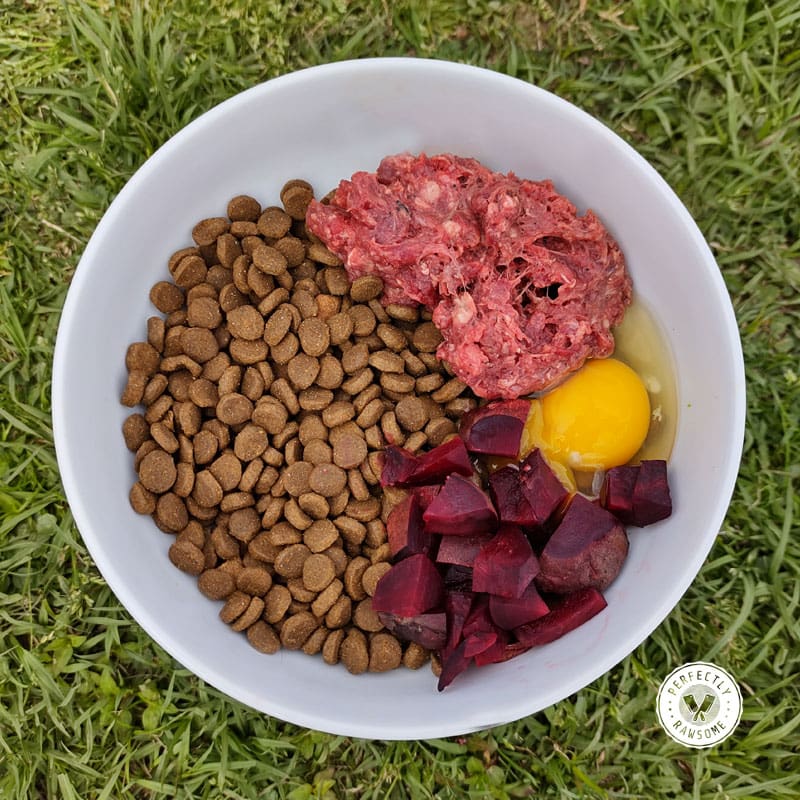
Credit: perfectlyrawsome.com
Potential Risks Of Raw Feeding
Exploring raw food diets for dogs raises concerns about bacteria and nutritional balance. These risks may cause health issues. It's essential to weigh these factors before choosing raw feeding for your pet.
Choosing to feed your dog a raw food diet is a significant decision that comes with its own set of challenges. While many dog owners swear by the benefits, it's crucial to be aware of the potential risks involved. Understanding these risks can help you make an informed choice about your pet’s diet.
Bacterial Contamination
Raw meat can be a breeding ground for harmful bacteria like Salmonella and E. coli. These bacteria are not just dangerous for your dog but can also pose a risk to you and your family. Handling raw food requires meticulous hygiene practices to prevent the spread of bacteria in your home. Have you ever prepared chicken and worried about cross-contamination? Feeding raw food to your dog demands the same level of caution. It’s essential to wash your hands, utensils, and surfaces thoroughly after handling raw food to keep everyone safe.
Nutritional Imbalance
Ensuring your dog receives a balanced diet can be challenging with raw feeding. Dogs need a variety of nutrients that might not be fully available in a raw diet. This could lead to deficiencies that affect your dog's health over time. Think about how you plan your meals to ensure you're getting enough vitamins and minerals. Your dog’s diet requires the same careful planning. Consulting with a veterinarian or a pet nutritionist can help you craft a balanced raw diet for your furry friend.
Choking Hazards
Raw feeding often includes bones, which can pose choking hazards. While chewing bones is natural for dogs, it can sometimes lead to broken teeth or blockages. Not all bones are safe, and it's vital to choose the right type and size for your dog. Imagine watching your dog excitedly crunch through a bone, only to see them suddenly struggle. This scenario is every pet owner's nightmare. Always supervise your dog during meals and educate yourself on which bones are safe to offer. Feeding your dog raw food is a commitment that demands diligence and awareness. Are you ready to take on the responsibilities that come with raw feeding? Understanding and mitigating these risks will help ensure the health and happiness of your beloved pet.
Comparing Raw And Commercial Diets
Choosing between raw and commercial diets for dogs is a hot topic. Raw food offers fresh, natural ingredients. Commercial diets provide convenience and balanced nutrition. Understanding the pros and cons helps in deciding if raw food suits your dog's needs.
Choosing the best diet for your furry friend can feel like navigating a maze. Raw and commercial diets each have their advocates and skeptics, making the decision even more challenging. Let's break it down and see how they compare in terms of nutritional content, cost, accessibility, and convenience.
Nutritional Content
Raw diets often boast fresh ingredients like meat, bones, and vegetables. Many dog owners believe this mirrors a dog's natural diet and can lead to shinier coats and healthier teeth. However, ensuring a balanced raw diet can be tricky. Commercial dog food, on the other hand, is formulated to meet nutritional standards. Brands often enrich their recipes with vitamins and minerals, aiming for a complete diet. But, the quality varies, and some might contain fillers or by-products. Have you noticed any changes in your dog's health when switching diets? It's crucial to observe and adjust accordingly.
Cost And Accessibility
Feeding your dog a raw diet can get pricey. Quality meat and fresh produce add up quickly. It also demands regular trips to the market, which might not be feasible for everyone. Conversely, commercial dog food offers a range of prices and is readily available. Whether you shop in-store or online, there's a product for almost every budget. Some premium brands can be costly, but there are affordable options that still provide balanced nutrition. Does the cost justify the potential health benefits? It might depend on your financial situation and priorities.
Convenience Factor
Preparing raw meals requires time and effort. You need to plan, shop, and prepare meals, ensuring all nutritional needs are met. It's not just a commitment but a lifestyle change. Commercial diets win on convenience. Open a bag or can, and you're done. It's quick, easy, and clean. Plus, it’s easier to store and measure for consistency. Consider your daily routine. Do you have the time to prepare raw meals, or does the convenience of commercial food suit you better? Choosing between raw and commercial diets is deeply personal and depends on your dog's unique needs. Have you tried mixing both for a balanced approach? It might be worth considering.
Veterinary Perspectives
Exploring raw food diets for dogs uncovers potential health benefits and risks. Some experts argue raw food can enhance coat and energy levels. Others warn about bacterial contamination and nutritional imbalance. Balancing these perspectives helps pet owners make informed choices for their furry friends.
Veterinary Perspectives Understanding whether a raw food diet is better for your dog often requires a deeper dive into veterinary perspectives. Many veterinarians have their own experiences with raw diets, both positive and negative. Their insights can help you make a more informed decision.
Support For Raw Diets
Some veterinarians advocate for raw diets due to their potential benefits. They argue that raw foods can improve coat quality, dental health, and energy levels in dogs. Imagine your dog with a shinier coat and fewer dental issues—these are changes some pet owners notice. A vet once shared how a client’s dog with chronic allergies showed significant improvement on a raw diet. This suggests raw food can be an effective alternative for certain health issues. However, not every dog will respond the same way, and these results aren't guaranteed.
Concerns And Criticisms
On the flip side, many veterinarians express valid concerns about raw diets. The risk of bacterial infections, like Salmonella and E. coli, is a major worry. Handling raw food requires extra caution to prevent these health threats. There's also the issue of nutritional balance. Some vets warn that homemade raw diets might lack essential nutrients. An imbalance can lead to deficiencies, affecting your dog's overall health. Have you ever considered how much time and effort goes into preparing a balanced raw diet? It might be more challenging than it seems. Veterinarians often recommend consulting a pet nutritionist to ensure your dog gets everything they need. In the end, the decision to feed your dog a raw diet should be made with care. Consulting with a veterinarian can provide valuable insights tailored to your dog's specific needs. Are you ready to take the plunge, or do you still have lingering doubts?
Safety Tips For Raw Feeding
Raw food diets for dogs are growing in popularity, offering potential health benefits. Ensuring the meat is fresh and properly stored is crucial to prevent bacteria. Consult your vet to make sure your pet's nutritional needs are met and the diet is balanced.
Feeding your dog a raw food diet can offer numerous benefits, but it's crucial to prioritize safety to prevent any potential risks. As a dog owner, you have the responsibility to ensure that your furry friend receives a balanced diet while minimizing the risk of contamination. Understanding the ins and outs of raw feeding safety will not only keep your dog healthy but will also give you peace of mind.
Proper Handling And Storage
Proper handling and storage of raw food are essential to prevent the spread of bacteria like salmonella. Always wash your hands thoroughly before and after preparing your dog's meals. Use separate cutting boards and utensils for raw food to avoid cross-contamination. Store raw food in a refrigerator or freezer to keep it fresh and safe. Make sure the food is in airtight containers to prevent leakage and odors. Remember, thawing raw food in the fridge, rather than on the counter, reduces the risk of bacterial growth.
Balancing Nutrients
Balancing nutrients in a raw diet is key to maintaining your dog's health. It's not just about giving meat; dogs need a mix of meat, bones, organs, and vegetables. Consult a vet or a pet nutritionist to create a balanced meal plan tailored to your dog's specific needs. A common mistake is assuming all meats offer the same benefits. For example, chicken is high in protein but lacks essential fatty acids. Including a variety of proteins ensures your dog gets a wide range of nutrients.
Monitoring Health
Regularly monitoring your dog's health is crucial when feeding a raw diet. Keep an eye on their weight, coat condition, and energy levels. These factors can indicate how well they're adapting to the diet. Have regular vet check-ups to monitor any changes in your dog's health. Blood tests can help identify any nutritional deficiencies. If you notice any unusual symptoms, such as digestive issues or lethargy, consult your vet immediately. Raw feeding can be a rewarding choice for your pet, but it requires dedication and care. What steps are you taking to ensure your dog's diet is both safe and nutritious? Remember, a little effort in safety can lead to a lifetime of health for your furry companion.
Personal Experiences And Testimonials
Personal experiences and testimonials offer a unique insight into the raw food debate for dogs. Real-life stories can be more impactful than studies or statistics. They provide you with relatable scenarios, successes, and challenges faced by fellow dog owners.
Success Stories
Many dog owners swear by the positive changes they've seen in their pets after switching to raw food. One owner noticed her dog's coat became shinier and healthier. Another reported her pet's digestion improved dramatically. These stories are not just anecdotes; they show real transformations.
Dogs that once struggled with allergies or skin issues often experience relief with raw diets. Owners find their dogs are more energetic and playful. The raw food diet has even been linked to longer lifespans in some cases. What changes have you noticed in your dog? Do these stories resonate with your experiences?
Challenges Faced
Switching to a raw food diet isn't always smooth sailing. Some owners mention difficulties in meal preparation. Others worry about balancing the nutritional needs of their pets. Has the thought of potential bacterial contamination ever crossed your mind? These challenges can be daunting.
Another common issue is the cost. Raw food can be expensive compared to kibble. Sourcing fresh and high-quality ingredients might strain your budget. Some owners faced initial resistance from their dogs when transitioning to raw meals. How do you tackle these challenges? Are the benefits worth it?
Whether you're considering a raw diet or already committed, these personal experiences and testimonials can guide your journey. They offer practical insights and provoke thought, helping you make informed decisions for your furry friend.
Making The Decision
Choosing the best diet for your dog can be challenging. Many dog owners consider feeding raw food. This approach offers potential health benefits. Yet, it may not suit every dog. Understanding your dog's needs is crucial. Raw food diets can improve coat, energy, and digestion. But, they require careful consideration.
Assessing Your Dog's Needs
Each dog is unique. Age, breed, and health affect dietary needs. Puppies need more nutrients to grow. Older dogs may need softer food. Active dogs burn more calories. Consider your dog's lifestyle. Health issues may require special diets. Check if your dog has allergies. Some dogs digest raw food better than others. Observe your dog's energy and mood. These signs indicate dietary success.
Consulting With Professionals
Seek advice from a vet. They can assess your dog's health. Vets know dietary needs well. They suggest safe and balanced options. Nutritionists can help too. They design diets for specific health goals. Professionals provide guidance. They ensure your dog gets vital nutrients. Expert advice prevents health risks.
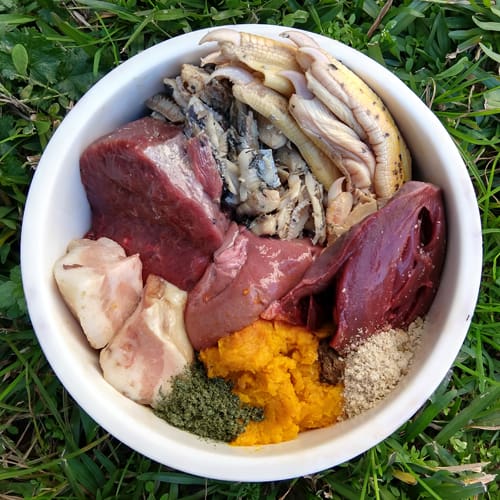
Credit: perfectlyrawsome.com
Frequently Asked Questions
What Are The Benefits Of Raw Food For Dogs?
Raw food diets can improve a dog's skin, coat, and energy levels. They may also promote better digestion and dental health. Many owners report fewer allergies and healthier weight management in their pets. However, individual results can vary and consulting a vet is recommended.
Can Raw Food Cause Health Issues In Dogs?
Raw food can pose health risks like bacterial infections and nutritional imbalances. Dogs may suffer from salmonella or E. coli exposure. It's crucial to ensure a balanced diet and proper food handling. Always consult a veterinarian before switching your dog's diet to raw food.
How Do I Transition My Dog To Raw Food?
Transitioning to raw food should be gradual, starting with small portions. Mix raw food with your dog's current diet. Increase raw portions slowly over a week or two. Monitor your dog's health and digestion. Consult a vet for personalized guidance during the transition process.
Is Raw Food Suitable For All Dog Breeds?
Raw food may not be suitable for all breeds, especially those with specific dietary needs. Puppies, senior dogs, or dogs with health issues may require special diets. Always consider breed-specific nutritional requirements. Consulting a veterinarian is essential before switching to a raw food diet.
Conclusion
Raw food diets for dogs have both benefits and risks. Some owners see improvements in energy and coat health. Others worry about nutritional balance and safety. It's important to research and consult your vet. Every dog is different. What works for one may not suit another.
Balance is key. Raw diets can be expensive and time-consuming. Consider your lifestyle and budget. The choice should prioritize your dog's health and happiness. Stay informed and make decisions based on facts. Your dog's well-being matters most. Explore options and find the best fit.