Are you dreaming of a furry friend but worried about sneezing fits and itchy eyes? If so, you're not alone.
Many dog lovers like you are on the hunt for the perfect hypoallergenic small dog breed. These adorable companions can bring joy to your home without triggering your allergies. Imagine enjoying snuggle time without the sniffles. We’ll uncover the small dog breeds that are best suited for allergy sufferers.
You’ll discover which breeds might be the perfect match for you, helping you make an informed choice for a happier, healthier home. Keep reading to learn about the breeds that combine cuteness with the comfort of fewer allergens!
Understanding Hypoallergenic Dogs
Small hypoallergenic dog breeds include the Poodle, Bichon Frise, and Maltese. These breeds are less likely to cause allergies. Perfect for families seeking a furry friend without the sneezes.
Understanding hypoallergenic dogs can be a bit puzzling, especially when you're on the hunt for a furry friend that won't trigger your allergies. Many people believe that certain dog breeds are hypoallergenic because they don't shed. However, the truth is a bit more complex. Hypoallergenic dogs can be a great option for those who are sensitive to pet allergens, but it's essential to know what this term truly means.
Defining Hypoallergenic
A dog breed labeled as hypoallergenic typically produces fewer allergens than others. It's not about a lack of shedding but rather the reduced levels of proteins found in a dog's dander, saliva, and urine. These proteins are often the culprits behind allergic reactions. Imagine visiting a friend's house and not sneezing every few minutes. That's the beauty of hypoallergenic breeds. Yet, no dog is entirely free of allergens. The goal is to find a breed that minimizes your exposure.
Common Misconceptions
Many people think that a hypoallergenic dog won't cause any allergies at all. This isn't always the case. Every individual reacts differently, and even hypoallergenic breeds might trigger mild symptoms in some people. You might have heard that short-haired dogs are always hypoallergenic, but that's a myth. Some long-haired breeds produce less dander, making them a better choice for allergy sufferers. Before you decide, consider spending time with the breed you're interested in. How does your body react? This can give you insights beyond research and help you make an informed decision. Have you ever thought about how your lifestyle and home environment might affect your allergies? Sometimes, simple changes at home, like regular cleaning and using air purifiers, can complement the choice of a hypoallergenic breed. Your comfort and health come first.
Credit: bcvet.org
Factors Contributing To Hypoallergenic Traits
Certain small dog breeds have hypoallergenic traits due to lower shedding and less dander production. Poodles and Bichon Frises are popular choices for allergy sufferers. Their unique coats reduce allergens, making them ideal companions.
Understanding the factors that contribute to hypoallergenic traits in small dog breeds is essential. These factors determine how likely a dog is to trigger allergies. Not all dogs produce the same amount of allergens. By understanding these factors, you can find a breed that suits your needs. Let's explore the key elements that make some small dog breeds more hypoallergenic than others.
Hair And Skin Type
The type of hair and skin a dog has plays a role in allergen production. Dogs with curly or wiry hair often trap dander. This reduces its spread in the home. Breeds with single coats shed less. Less shedding means fewer allergens in the air. Regular grooming also helps manage hair and dander.
Saliva And Dander
Saliva and dander are major sources of allergens in dogs. Dogs with less saliva production tend to be more hypoallergenic. Dander is the tiny particles shed from the skin. Some breeds produce less dander. This reduces the chance of allergic reactions. Regular cleaning reduces saliva and dander in your home. Keep these factors in mind when choosing a hypoallergenic dog.
Top Hypoallergenic Small Dog Breeds
For dog lovers with allergies, choosing a pet can be tricky. Fortunately, some small dog breeds are hypoallergenic. These breeds produce fewer allergens, making them ideal for allergy sufferers. Let's explore the top hypoallergenic small dog breeds known for their friendly nature and minimal shedding.
Bichon Frise
The Bichon Frise is a fluffy, cheerful companion. Their curly coat traps dander and prevents it from spreading. Regular grooming keeps their coat clean and reduces allergens. They are playful and great with families.
Poodle
Poodles come in various sizes, including the toy and miniature varieties. Their curly fur is similar to wool and sheds minimally. This breed is intelligent and easy to train. They are active and enjoy mental challenges.
Maltese
The Maltese is a small dog with a silky white coat. They shed very little, making them a good choice for those with allergies. Regular brushing helps maintain their coat. They are affectionate and enjoy being with their owners.
Shih Tzu
Shih Tzus have a long, flowing coat that requires grooming. Their hair is more like human hair, reducing allergens. They are friendly and enjoy being around people. These dogs are known for their gentle nature.
Yorkshire Terrier
Yorkshire Terriers, or Yorkies, have a fine, silky coat that doesn't shed much. Regular grooming helps keep their fur in top condition. They are energetic and love to play. Yorkies are also known for their loyalty to their owners.

Credit: www.pinterest.com
Breed Characteristics
Small dog breeds known for being hypoallergenic include the Poodle, Maltese, and Bichon Frise. These breeds produce less dander, reducing allergy risks. Regular grooming helps minimize allergens and maintain their friendly nature.
When considering adding a small dog to your family, hypoallergenic breeds often top the list for those with allergies. But what makes these breeds so special? Understanding their breed characteristics can help you decide if one of these dogs could be the perfect fit for your home.
Temperament
Small hypoallergenic dogs typically boast delightful temperaments. Breeds like the Bichon Frise are known for their cheerful disposition and love for play. If you’re looking for a loyal companion, the Maltese may be your ideal match, as they thrive on human interaction and affection. Some breeds, such as the Poodle, are highly intelligent and easy to train. Their eagerness to please makes them great candidates for learning tricks and commands. This intelligence, paired with their hypoallergenic traits, makes them a popular choice for families and singles alike. Have you ever wondered why some dogs fit seamlessly into your lifestyle while others don't? Understanding a breed's temperament can be the key. It allows you to predict how well they might adapt to your daily routine and environment.
Care And Grooming Needs
Caring for a hypoallergenic dog often involves regular grooming, but it’s less about shedding and more about maintaining their coat. For example, Poodles require regular trims to keep their curly fur manageable. This might sound demanding, but with the right tools and a bit of patience, it can become a bonding experience. The Chinese Crested, with its unique hairless body, requires minimal brushing but needs skin protection, especially in sunny climates. Applying dog-friendly sunscreen can prevent skin damage and keep them comfortable outdoors. If you've ever owned a dog, you know grooming can sometimes feel like a chore. Yet, with these breeds, grooming is not just maintenance—it’s a chance to ensure their hypoallergenic nature stays intact, reducing allergens in your home. As you consider a hypoallergenic dog, remember that their breed characteristics are more than just labels. They shape how these dogs live and thrive with you. Are you ready to welcome a new furry friend who not only fits your lifestyle but also brings joy without the sneezes?
Living With Hypoallergenic Dogs
Living with hypoallergenic dogs can be a delightful experience. These breeds are perfect for those with allergies. They shed less dander, making them easier on sensitive noses. These dogs bring joy without the usual allergy woes. Many small breeds fall under this category. They are not only cute but also allergy-friendly. Let's explore the benefits and considerations of owning these furry friends.
Benefits For Allergy Sufferers
Hypoallergenic dogs produce fewer allergens. This means less sneezing and itching for allergy sufferers. Their coats shed less, keeping the home cleaner. Allergy-friendly dogs allow more people to enjoy pet ownership. Their presence can reduce stress and increase happiness. Owners can cuddle without worry. These breeds often have less odor, too. A pleasant addition to any home.
Considerations For Potential Owners
Owning a hypoallergenic dog requires planning. Grooming is essential to maintain their coat. Regular baths help control allergens. Some breeds need daily brushing. These dogs often have specific dietary needs. A balanced diet keeps their coat healthy. Training is important for small breeds. They need socialization to prevent anxiety. Consider your lifestyle before choosing a breed.
Selecting The Right Breed
Choosing a hypoallergenic small dog breed is an important decision. You must consider several factors to ensure compatibility with your lifestyle and home environment. Small dogs can be perfect companions, but not all are hypoallergenic. Understanding your needs and preferences will help you select the right breed.
Lifestyle Compatibility
Assess your daily routine. Do you have time for grooming? Some hypoallergenic breeds require regular grooming to maintain their coat. Think about socializing and training. Are you ready for daily interaction? Dogs like the Bichon Frise thrive on human companionship.
Consider allergies. Hypoallergenic breeds produce less dander. This can be beneficial for allergy sufferers. Evaluate your tolerance levels. Breeds like the Maltese and Poodle might suit you if you have sensitivities.
Space And Activity Requirements
Consider your living space. Small breeds fit well in apartments. They require less room to roam. Assess your activity level. Active breeds need regular exercise. Ensure you have time for walks and play.
Evaluate your yard. A small garden can suffice for breeds like the Shih Tzu. Look at your home's layout. Open spaces are ideal for active breeds. Choose a breed that matches your home's environment.
Tips For Minimizing Allergies
Finding a small dog breed that is hypoallergenic is a dream for allergy sufferers. These dogs produce fewer allergens and can make life a lot easier for those prone to sneezing fits. But owning a hypoallergenic dog doesn’t mean allergies magically disappear. You might still need to take steps to minimize allergens in your home. Let's explore some practical tips to keep your space allergy-free.
Home Environment Adjustments
Keeping your home clean and allergen-free can make a huge difference. Consider using air purifiers to reduce airborne allergens. They can be a game-changer, especially in the bedroom where you spend a lot of time.
Think about your flooring. Carpets and rugs can trap allergens. Opt for hardwood floors or tiles if possible. They are easier to clean and don’t hold onto allergens the way carpets do.
Do you have curtains? Swap them for blinds. Blinds are easier to clean and don’t collect dust and allergens as much as fabric curtains.
Regular Grooming And Cleaning
Regular grooming is key to minimizing allergens. Bathing your dog weekly can reduce allergens significantly. Use hypoallergenic shampoos to keep their skin healthy and free of irritants.
Brushing your dog daily can help too. It removes loose fur and dander before it has a chance to spread around your home. A friend of mine found that investing in a good brush reduced her allergies considerably.
After grooming, clean your home thoroughly. Vacuuming with a HEPA filter can capture tiny particles that trigger allergies. Dust surfaces regularly to keep allergens at bay.
Have you ever thought about the impact of your dog’s diet? A healthy diet can improve skin condition and reduce shedding. Talk to your vet about the best options for your hypoallergenic breed.
Are there any adjustments you’ve made that worked wonders for your allergies? Share your experiences in the comments below and let’s learn from each other!
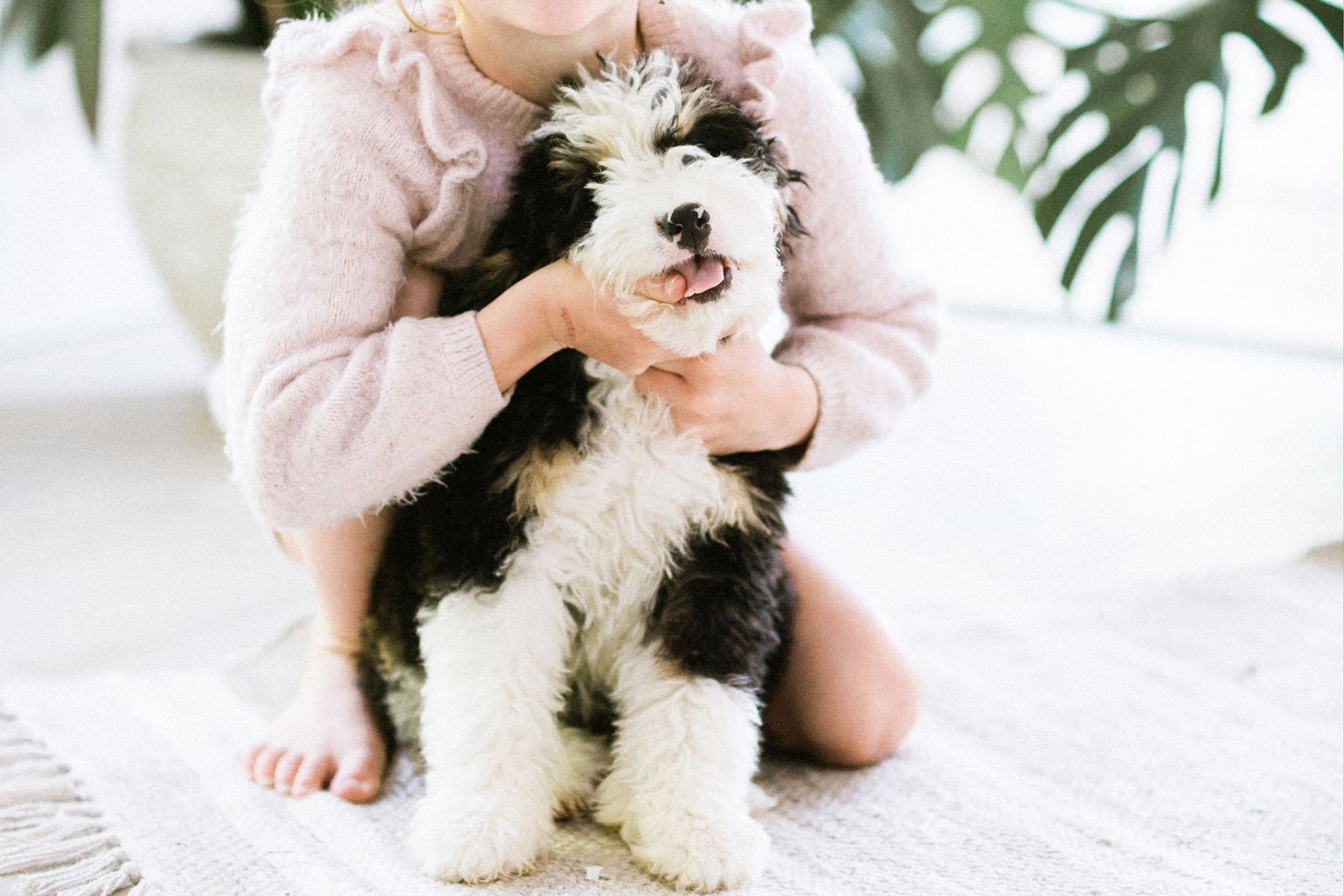
Credit: www.wisconsindesignerdoodles.com
Frequently Asked Questions
What Are Hypoallergenic Small Dog Breeds?
Hypoallergenic small dog breeds are less likely to trigger allergies. They have hair instead of fur, reducing shedding and dander. Popular hypoallergenic breeds include the Maltese, Poodle, and Bichon Frise. These dogs are perfect for allergy sufferers seeking a small, loving companion without the worry of allergic reactions.
Do Hypoallergenic Dogs Produce Less Dander?
Hypoallergenic dogs produce less dander compared to other breeds. This makes them ideal for individuals with allergies. Their coat type helps minimize airborne allergens. Regular grooming can further reduce dander levels, ensuring a comfortable environment for allergy sufferers.
Are Maltese Dogs Hypoallergenic?
Maltese dogs are considered hypoallergenic due to their low-shedding coat. They produce minimal dander, making them suitable for allergy sufferers. Regular grooming helps maintain their coat and reduce allergens. Their playful and affectionate nature makes them a popular choice for those seeking a small hypoallergenic pet.
How To Care For Hypoallergenic Dogs?
Caring for hypoallergenic dogs involves regular grooming to minimize dander and allergens. Bathing and brushing help maintain their coat. A balanced diet supports their health and reduces shedding. Frequent cleaning of their living area ensures a comfortable environment for both the dog and allergy-sensitive owners.
Conclusion
Choosing a hypoallergenic small dog can be a joy. These breeds can bring love to your home. They may reduce allergy symptoms, too. It's essential to research each breed. Consider their needs and personality. Find the right fit for your lifestyle.
Dogs like Bichon Frise, Poodle, and Maltese are good options. They are friendly and easy to train. Remember, no dog is 100% allergy-free. Regular grooming can help manage allergens. With the right care, you can enjoy a happy life with your new furry friend.