Are you wondering if a raw food diet is the healthiest choice for your dog? With the growing trend of raw diets, many pet owners like you are curious about what’s best for their furry companions.
You want to make sure your dog gets the best nutrition possible, right? The idea of serving raw food can be tempting, promising benefits like shinier coats and higher energy levels. But is it really the healthiest option? Before you make any changes to your dog’s diet, dive into this article to discover the truths and myths about raw food for dogs.
You’ll want to know all the facts before making a decision that impacts your pet's health and happiness. Let’s explore whether raw food is the right choice for your beloved canine.
Credit: perfectlyrawsome.com
Raw Food Diet Basics
Is raw food healthy for dogs? Many pet owners believe raw diets improve their dog's health and energy. Fresh meats, fruits, and vegetables are common in these diets, aiming for natural nutrition. Critics argue about potential risks like bacteria, so it's crucial to consult a vet before switching.
Raw food diets for dogs have been gaining popularity among pet owners who want to feed their furry friends a more natural diet. Advocates believe that a raw food diet can lead to improved health, shinier coats, and more energy. But before you jump on the raw food bandwagon, it's essential to understand the basics of this diet. Let's break it down into the core components and explore the various types of raw foods you can consider for your dog.
Components Of Raw Diet
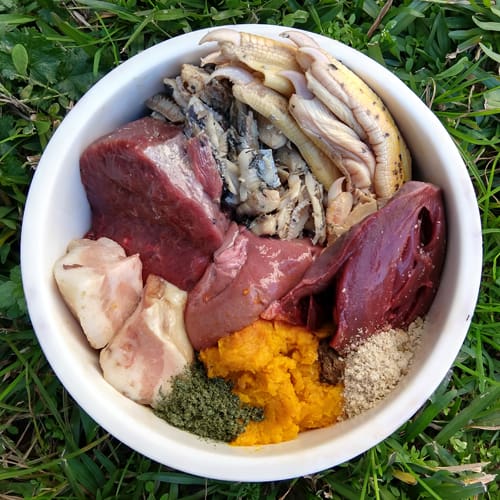
A raw diet typically includes a mix of raw meats, bones, organs, and sometimes fruits and vegetables. Each component plays a crucial role in providing essential nutrients. - Meat: This is the primary source of protein and should be fresh and high quality. Chicken, beef, and turkey are popular choices. - Bones: They are crucial for calcium and phosphorus. Ensure they are raw and appropriately sized to prevent choking. - Organs: Liver, kidney, and heart offer vital vitamins and minerals. However, they should be given in moderation. - Fruits and Vegetables: While optional, they can add fiber and vitamins. Carrots, apples, and spinach are great options. Each component needs to be balanced to meet your dog's nutritional needs. It's like putting together a puzzle; every piece must fit perfectly.
Types Of Raw Foods
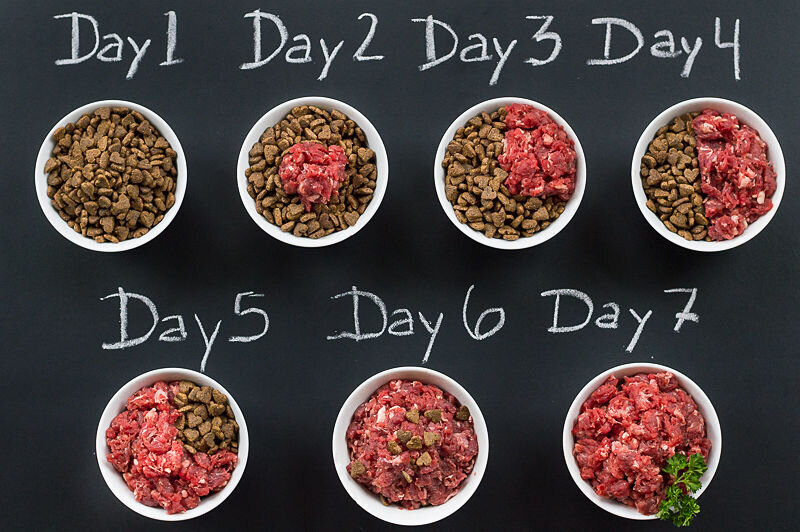
Raw foods for dogs can be categorized into several types, each with its own benefits and considerations. - BARF (Biologically Appropriate Raw Food): This diet includes raw meat, bones, fruits, and vegetables. It's designed to mimic what dogs might eat in the wild. - Pre-Made Raw Diets: These are commercially available and come in frozen or freeze-dried forms. They are convenient but can be expensive. - Homemade Raw Diets: You prepare this yourself, allowing for complete control over ingredients. However, it requires careful planning to ensure nutritional balance. When deciding on a type of raw food, consider your lifestyle, budget, and your dog's specific needs. Have you ever thought about what goes into your pet’s bowl and how it affects their health? Maybe it's time to explore these options and see if a raw diet could be the right choice for your dog. As you ponder this, remember that transitioning to a raw food diet should be done gradually. Consult your vet to tailor the diet to your dog's specific health requirements. Your dog's health is worth the effort and research.
Nutritional Benefits
Raw food can boost a dog's health with essential nutrients. It provides natural proteins and vitamins. This diet supports strong bones and a shiny coat.
Feeding your dog raw food can be a hot topic among pet owners. You might wonder if it truly benefits your furry friend's health. One of the key aspects of raw food diets is their potential nutritional benefits. These diets often include uncooked meat, bones, and organs, which can provide essential nutrients that cooked food might lack.
Protein Content
Raw food diets typically offer higher protein content compared to commercial kibble. This is because they include fresh, unprocessed meats which are packed with protein. Protein is crucial for your dog's muscle development and energy levels. Have you ever noticed how energetic your dog becomes after having a protein-rich meal? This is because proteins are the building blocks of your pet's body. They support growth and repair tissues, keeping your dog active and healthy.
Essential Vitamins
Raw food diets can also be a rich source of essential vitamins. Organs such as liver and kidney are packed with vitamins A, B, and D. These vitamins play significant roles in maintaining your dog's vision, skin health, and immune function. Consider the last time you noticed your dog's coat looking shinier and healthier. It might have been after introducing raw foods rich in these vitamins. However, it's crucial to ensure a balanced intake to avoid vitamin deficiencies or excesses. Does your dog already enjoy raw food, or are you considering making the switch? Whatever your situation, understanding the nutritional benefits can help you make informed decisions about your dog's diet. Remember, while raw food diets can offer these benefits, it's important to consult with your vet to tailor the diet to your dog's specific needs.
Digestive Health
Curious about your dog's diet? Many believe raw food promotes better digestion and overall health for dogs. Fresh meats, vegetables, and fruits can provide essential nutrients, supporting a healthy gut.
Feeding your dog a raw food diet can have significant benefits for their digestive health. Many dog owners have reported improvements in their pets' digestion after making the switch. But what exactly changes in your dog's digestive system with raw food?
Improved Digestion
Dogs on a raw food diet often experience smoother digestion. This is because raw foods are closer to what dogs would naturally eat in the wild. Fresh, unprocessed meats and vegetables can be easier for a dog's stomach to break down. Consider your own experiences with eating fresh versus processed foods. When your diet is cleaner, you often feel lighter and more energetic. The same principle applies to your dog. A raw diet can lead to firmer stools, less gas, and a more regular digestive schedule.
Allergy Reduction
Another common benefit of raw diets is the reduction of allergies. Many commercial dog foods contain fillers and artificial ingredients, which can trigger allergic reactions. By switching to raw foods, you can eliminate many of these potential allergens. Imagine the relief of watching your dog scratch less or have fewer ear infections. If your dog has been struggling with allergies, a raw food diet might be worth trying. Of course, it’s crucial to monitor your dog closely and consult with a vet to ensure you're addressing the right problem. Have you noticed your dog’s digestion change with diet adjustments? These small shifts can make a big impact on their overall health and happiness. Wouldn't you want your furry friend to feel their best every day?
Dental Health
Raw food can benefit dogs' dental health by reducing plaque and tartar. Chewing raw bones helps clean teeth naturally. Some veterinarians suggest raw diets for healthier gums and fresher breath.
When considering a raw food diet for your dog, it's essential to think about dental health. Just like us, dogs need good oral hygiene to prevent dental issues. Raw food can play a significant role in this aspect.
Dental Hygiene
You might be surprised to learn that raw food can naturally clean your dog's teeth. Raw meaty bones, in particular, encourage chewing, which can help to scrape away food particles and plaque. Think of it as a natural toothbrush for your furry friend. Chewing on raw bones also strengthens your dog's jaws. It keeps them occupied and satisfies their natural urge to chew. If your dog has been gnawing on furniture, consider this a bonus!
Reduced Plaque
Plaque is a common issue in dogs, often leading to bad breath and dental diseases. A raw food diet can help reduce plaque buildup. When dogs chew on raw meat and bones, the fibrous texture acts as a natural abrasive. I've noticed a significant improvement in my dog's dental health since switching to raw food. The plaque buildup reduced, and their breath improved. It's a simple change that brought noticeable benefits. Have you observed your dog struggling with dental issues? If so, consider the potential benefits of raw food. By addressing plaque naturally, you could save on costly vet visits for dental cleanings. Incorporating raw food into your dog's diet is more than just a trend. It’s a practical choice that could enhance their dental health. Are you ready to give it a try?
Skin And Coat Improvements
Feeding dogs raw food may lead to healthier skin and shinier coats. Nutrient-rich raw diets can improve fur texture. Many dog owners notice their pets' coats become thicker and more vibrant over time.
Feeding your dog a raw food diet can lead to noticeable improvements in their skin and coat. Many dog owners report changes such as enhanced shine, reduced shedding, and overall healthier skin. But is this just a coincidence, or is there more to it? Let’s dive into how raw food may be working its magic on your furry friend's skin and coat.
Shiny Coat
A shiny coat is often a sign of a healthy dog. Raw food diets are rich in essential fatty acids like Omega-3 and Omega-6, which are crucial for maintaining a glossy coat. You might find your dog looking like they just stepped out of a grooming session, with their fur reflecting light beautifully. Think about the last time you saw a dog with a dull coat. It might have been dry or lackluster. A raw food diet can help improve this by providing the nutrients that commercial dog foods sometimes lack. Imagine watching your dog run in the sunlight, their coat shimmering. It's not just an aesthetic benefit; a shiny coat indicates that your dog is absorbing nutrients well.
Reduced Shedding
Are you tired of finding dog hair everywhere? Switching to raw food might just reduce the amount of shedding you experience. Many owners notice less fur on their clothes and furniture after changing their dog's diet. Shedding is natural, but excessive shedding can be a sign of nutrient deficiencies. By feeding raw, you ensure that your dog gets the vitamins and minerals they need for healthy skin and fur. Picture the ease of cleaning up after your dog with less fur left behind. Wouldn't it be nice to vacuum less often and still have a fur-free couch? Have you ever tried a raw food diet for your dog and noticed changes in their coat? Share your experience and see if others have had similar results. What benefits or challenges did you encounter?
Energy And Vitality
Raw food diets are gaining popularity among dog owners. One reason is the potential boost in energy and vitality. Dogs thrive on fresh, natural ingredients. They are packed with nutrients. These nutrients fuel their active lives. A diet like this can enhance their physical and mental well-being.
Increased Energy Levels
Raw food can lead to higher energy levels in dogs. Fresh meat and vegetables provide essential vitamins. These vitamins support optimal energy production. Dogs on raw diets often show more enthusiasm. They are more alert and ready to play.
Processed foods contain fillers. Fillers can drain energy. Raw diets have no fillers. This means more energy for your dog. More energy means more fun for both of you.
Enhanced Physical Activity
Dogs eating raw food may enjoy more physical activity. Fresh ingredients can improve muscle strength. They also boost stamina. This helps dogs run longer and play harder. Regular exercise supports overall health.
A raw diet can also aid recovery after exercise. Natural nutrients help repair muscles faster. Your dog can stay active day after day. This leads to happier, healthier dogs.
Considerations And Risks
Feeding dogs raw food is a topic that stirs debate. While some owners swear by its benefits, there are important considerations and risks. Understanding these can help you make informed decisions about your pet's diet.
Potential Health Risks
Raw food diets can expose dogs to bacteria. Salmonella and E. coli are common culprits. These can lead to serious illnesses in pets. Not all dogs have strong enough immune systems. They might struggle to fight off infections. Bones in raw diets can pose choking hazards. They may also splinter, causing internal injuries. Nutritional imbalances can occur. Raw diets might lack essential vitamins and minerals. This can lead to deficiencies over time.
Safety Measures
Proper handling of raw food is crucial. Store meat at safe temperatures to prevent bacterial growth. Wash hands and utensils after handling. This reduces the risk of cross-contamination. Consider grinding bones to avoid choking hazards. Supplement raw diets with vitamins and minerals. Consult a vet to ensure balanced nutrition. Regular vet check-ups are vital. They help monitor your dog's health on a raw diet.
Credit: www.vetsupply.com.au
Expert Opinions
Feeding dogs raw food has sparked varied opinions among experts. Some swear by its benefits. Others raise concerns over safety and nutrition balance. Insights from veterinarians and pet nutritionists provide clarity on this debate.
Veterinarian Insights
Veterinarians often express caution about raw diets for dogs. They worry about potential bacterial infections from raw meat. Salmonella and E. coli pose significant risks. These bacteria can harm dogs and humans alike. Vets also emphasize balanced nutrition. Raw diets might lack essential nutrients. Dogs need a complete diet to thrive.
Despite concerns, some vets see benefits. Improved coat condition and energy levels are noted. Yet, they stress the importance of consulting a professional. Each dog has unique needs. A tailored approach ensures optimal health.
Pet Nutritionists' Views
Pet nutritionists focus on the nutritional content of raw diets. They acknowledge that raw food can mimic a dog’s natural diet. Yet, they stress the importance of balance. Meat alone does not offer all necessary nutrients. Vegetables and grains may need inclusion.
Nutritionists often recommend commercial raw diets. These products are formulated for complete nutrition. Homemade raw diets require careful planning. Owners must ensure all essential vitamins and minerals are present.
Both veterinarians and nutritionists agree. Consultation and education are key. Understanding a dog’s specific health needs is crucial. Proper guidance leads to healthier outcomes for furry friends.
.webp?width=792&height=1633&name=best-fruits-veggies-raw-food%20(1).webp)
Credit: blog.homesalive.ca
Frequently Asked Questions
What Is Raw Food For Dogs?
Raw food for dogs typically includes uncooked meats, bones, fruits, and vegetables. It aims to mimic a dog's natural diet in the wild. Advocates believe it offers nutritional benefits like improved digestion, shinier coats, and healthier teeth. However, critics raise concerns about potential bacterial risks and nutrient imbalances.
Is Raw Food Diet Safe For Dogs?
Raw food diets can be safe but require careful preparation. Ensuring cleanliness and balanced nutrition is crucial. Raw meats may carry bacteria, posing health risks to dogs and humans. Consult your vet before switching diets to assess your dog's specific needs and health concerns.
Can Raw Food Improve Dog's Health?
Raw food may improve a dog's coat, digestion, and energy levels. Some pet owners report fewer allergies and better dental health. However, results can vary based on individual dog health and diet balance. Always monitor your pet's health and consult a vet for tailored advice.
How To Start Raw Feeding For Dogs?
Start raw feeding by researching balanced recipes and consulting a vet. Introduce new foods gradually to monitor reactions. Ensure cleanliness to prevent bacterial contamination. Consider a balanced mix of meats, bones, and vegetables to meet nutritional needs. Regularly review your dog's health and adjust the diet as needed.
Conclusion
Raw food diets for dogs can offer benefits. They include improved digestion and shinier coats. But risks exist too. These include bacterial contamination and imbalanced nutrition. Consult your vet before making changes. Each dog is unique. What works for one may not work for another.
Balance and safety are key. Keep your dog's health a priority. Monitor changes closely. Happy and healthy dogs thrive on well-rounded diets. Make informed decisions. Your dog's well-being matters most.